A formula to explore within your male-wellbeing routine.
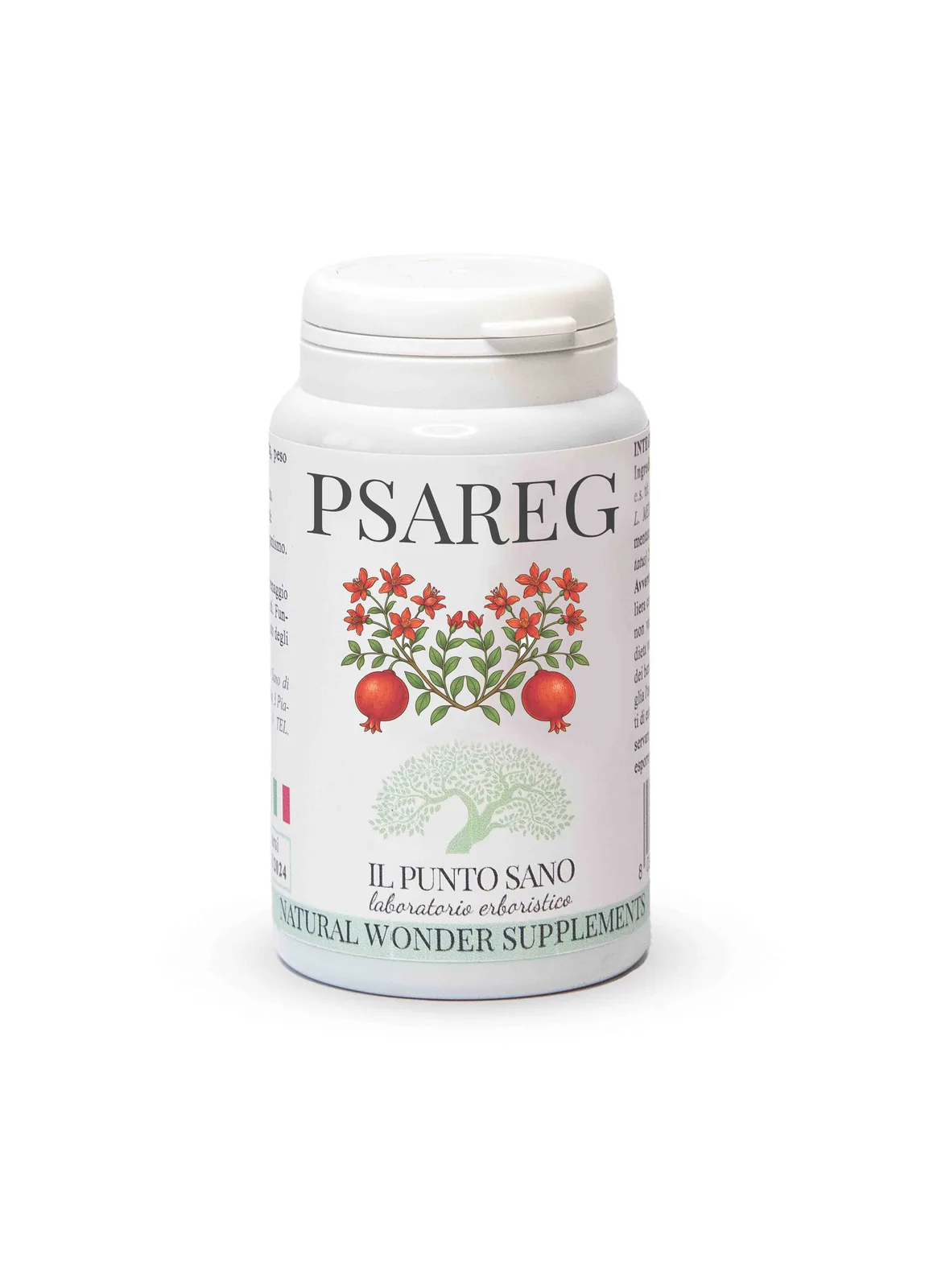
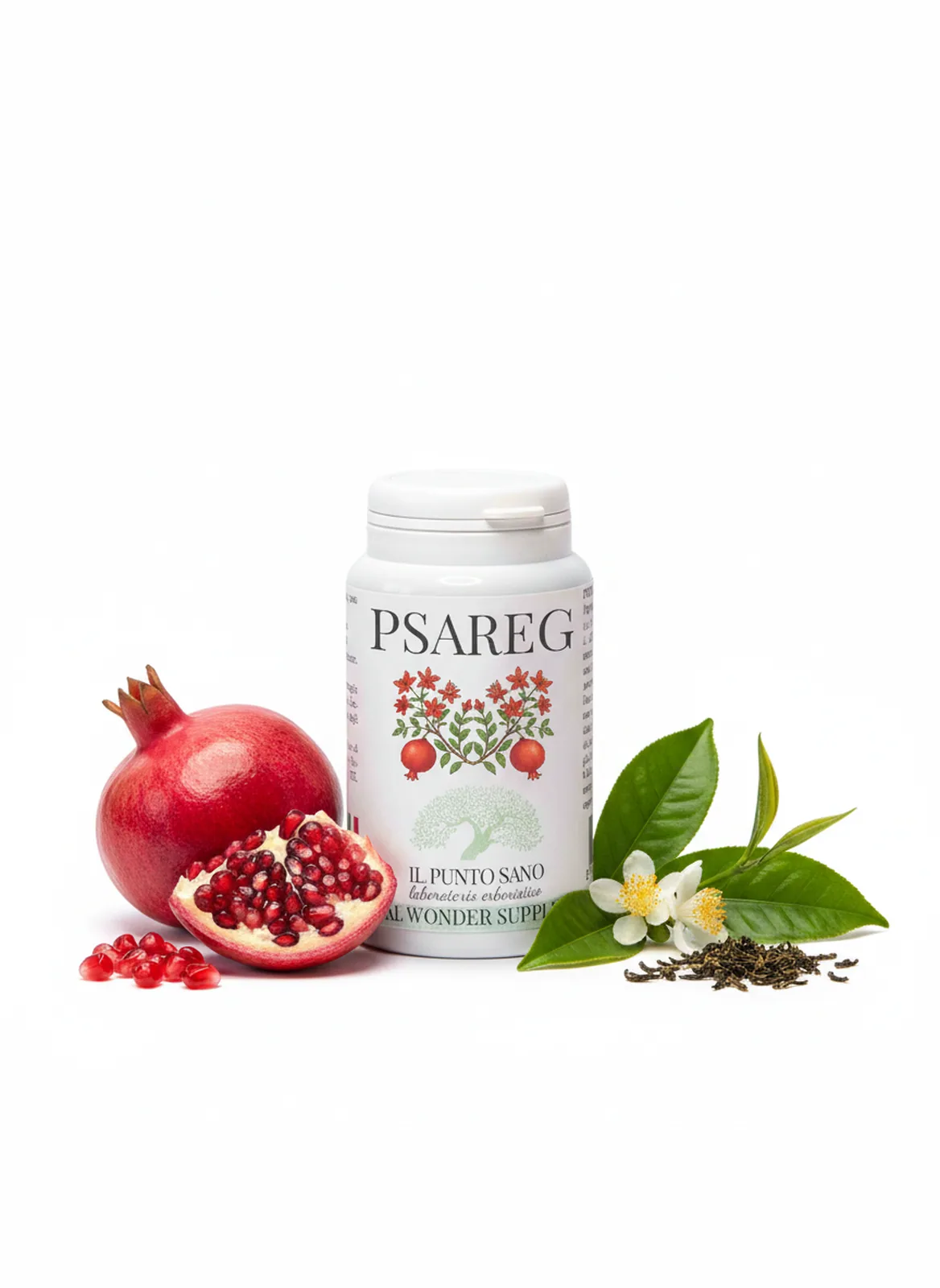
PSAREG is for men wishing to explore a formula for their nutritional routine. Composition and detailed background remain available to discuss with your healthcare professional.
✓ A formula dedicated to men’s wellbeing routines.
✓ Complete composition available to read.
✓ PSA monitoring and clinical decisions remain with your doctor.
The complete product information: features, composition and directions for use.
PSAREG: a supplement for prostate wellbeing and nutritional background on PSA
The PSA, or Prostate-Specific Antigen, is a marker used by doctors to monitor prostate health. With advancing age, or in conditions such as benign prostatic enlargement, prostate inflammation or monitoring after surgery, PSA may increase.
Many men ask whether natural nutritional support might help keep PSA under control or slow its progression over time. This interest inspired PSAREG, a food supplement formulated with pomegranate, broccoli, turmeric and green tea: four plant ingredients rich in polyphenols, catechins, curcuminoids and sulphur compounds of nutritional interest.
In recent years, various clinical studies have assessed certain plant extracts in prostate-health support. In particular, the combination of pomegranate, broccoli, turmeric and green tea has been studied in nutritional approaches to male wellbeing and PSA management over time.
PSAREG ingredients for prostate wellbeing
PSAREG combines four plant extracts selected for their natural bioactive compounds. Together, pomegranate, broccoli, turmeric and green tea form a targeted supplement designed to accompany a healthy lifestyle and appropriate medical monitoring of prostate health.
Pomegranate: Punica granatum
The pomegranate is naturally rich in ellagitannins, polyphenolic compounds that can be transformed in the intestine into urolithins. These molecules attract interest for antioxidant activity and potential roles in cellular processes associated with prostate wellbeing.
In some clinical studies, pomegranate juice or extract intake has been associated with an increase in PSA doubling time. Observations have included an increase from 15 to 54 months. Not all trials have confirmed the same efficacy for pomegranate alone, but findings appear more interesting when it is combined with other polyphenols.
Broccoli: a natural source of glucosinolates and sulforaphane
The broccoli and cruciferous vegetables generally are natural sources of glucosinolates, compounds that can give rise to sulforaphane. This compound has been studied for its ability to activate antioxidant pathways such as Nrf2 and its relevance to cellular-regulation mechanisms.
In a clinical study of men with biochemical recurrence, 60 mg of sulforaphane a day was associated with an increase in PSA doubling time and less marker progression compared with placebo. These data concern the scientific literature and must not be interpreted as a therapeutic indication for the product.
Turmeric: Curcuma longa
The turmeric contains curcuminoids, molecules known for their relevance to antioxidant processes and inflammatory-response modulation. Scientific literature has also studied curcumin for possible roles in regulating cellular pathways such as NF-κB and mechanisms associated with the androgen receptor.
In a study of men receiving intermittent hormone therapy, 1,440 mg of curcumin a day was associated with less PSA progression during treatment compared with placebo. Turmeric’s effect also depends on extract bioavailability, but it remains one of the most studied natural ingredients in prostate wellbeing.
Green tea: Camellia sinensis, catechins and EGCG
The green tea is rich in catechins, including EGCG, studied for antioxidant properties and relevance to cellular-protection processes. In PSAREG, green tea is a dry extract standardised for polyphenols and catechins.
In a clinical study of 97 men with precancerous lesions, 400 mg of EGCG a day was associated with a PSA reduction of 0.87 ng/mL over 12 months. PSAREG provides catechins at a limited, controlled amount, with EGCG below 800 mg a day. EFSA associated intakes at or above 800 mg a day with increases in liver enzymes and could not identify an extract dose that could be considered safe.
The strength of combining pomegranate, broccoli, turmeric and green tea
The most interesting finding concerns a randomised clinical trial conducted in the United Kingdom in 199 men under active surveillance or with biochemical recurrence. The combination of pomegranate, broccoli, turmeric and green tea showed a significant difference in PSA increase: +14.7% in the active group versus +78.5% in the placebo group.
In the same study, fewer patients left active surveillance: 8.2% in the treatment group versus 27.7% in the placebo group. These findings suggest that the complementary ingredients may offer interesting nutritional support within medically monitored prostate-health approaches.
Why choose PSAREG
Contains the four plant extracts studied in combination: pomegranate, broccoli, turmeric and green tea.
Formulated with ingredients rich in polyphenols, catechins, curcuminoids and sulphur compounds.
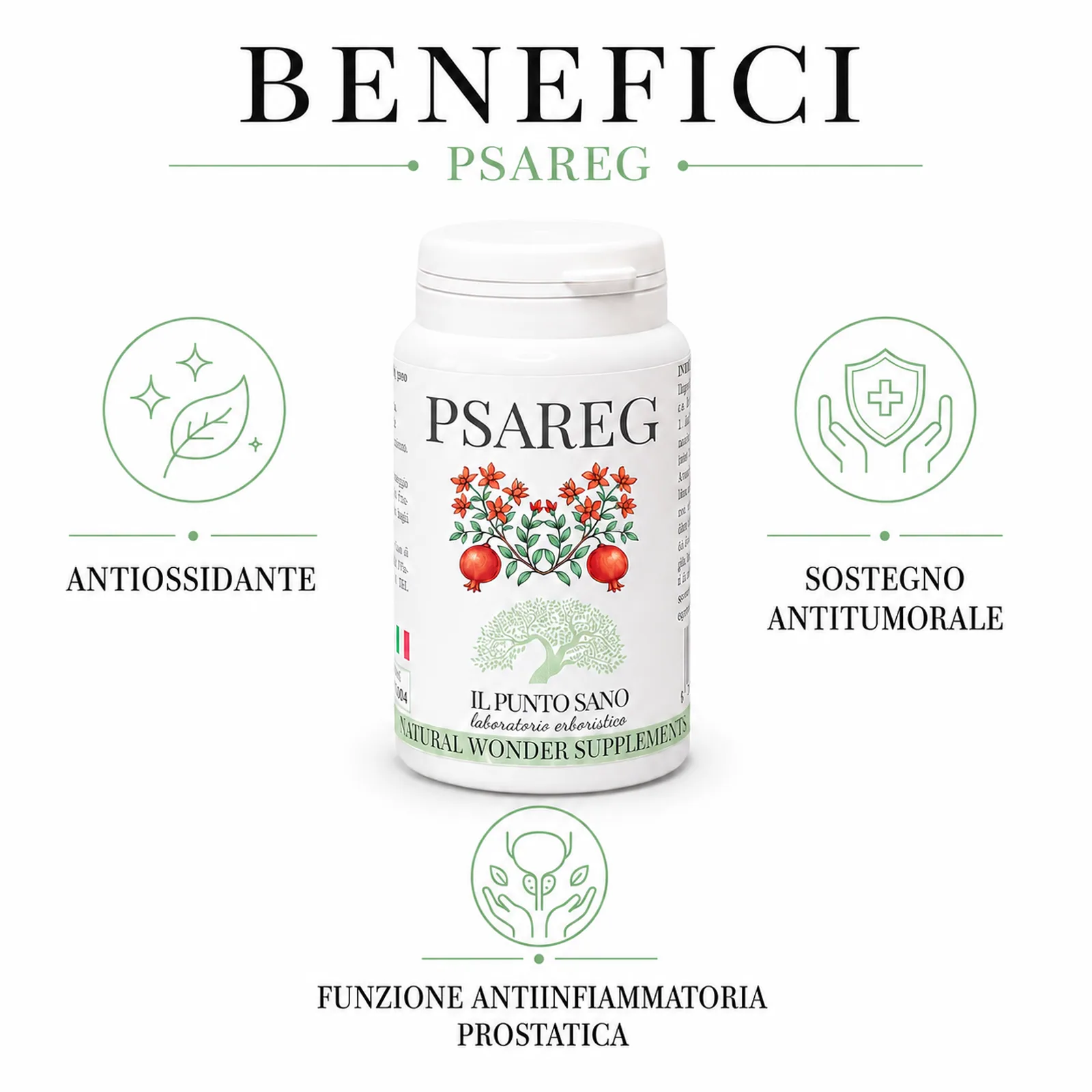
Supports prostate wellbeing through an antioxidant, botanical nutritional approach.
May form part of a PSA-monitoring programme, always alongside a healthy lifestyle and regular medical checks.
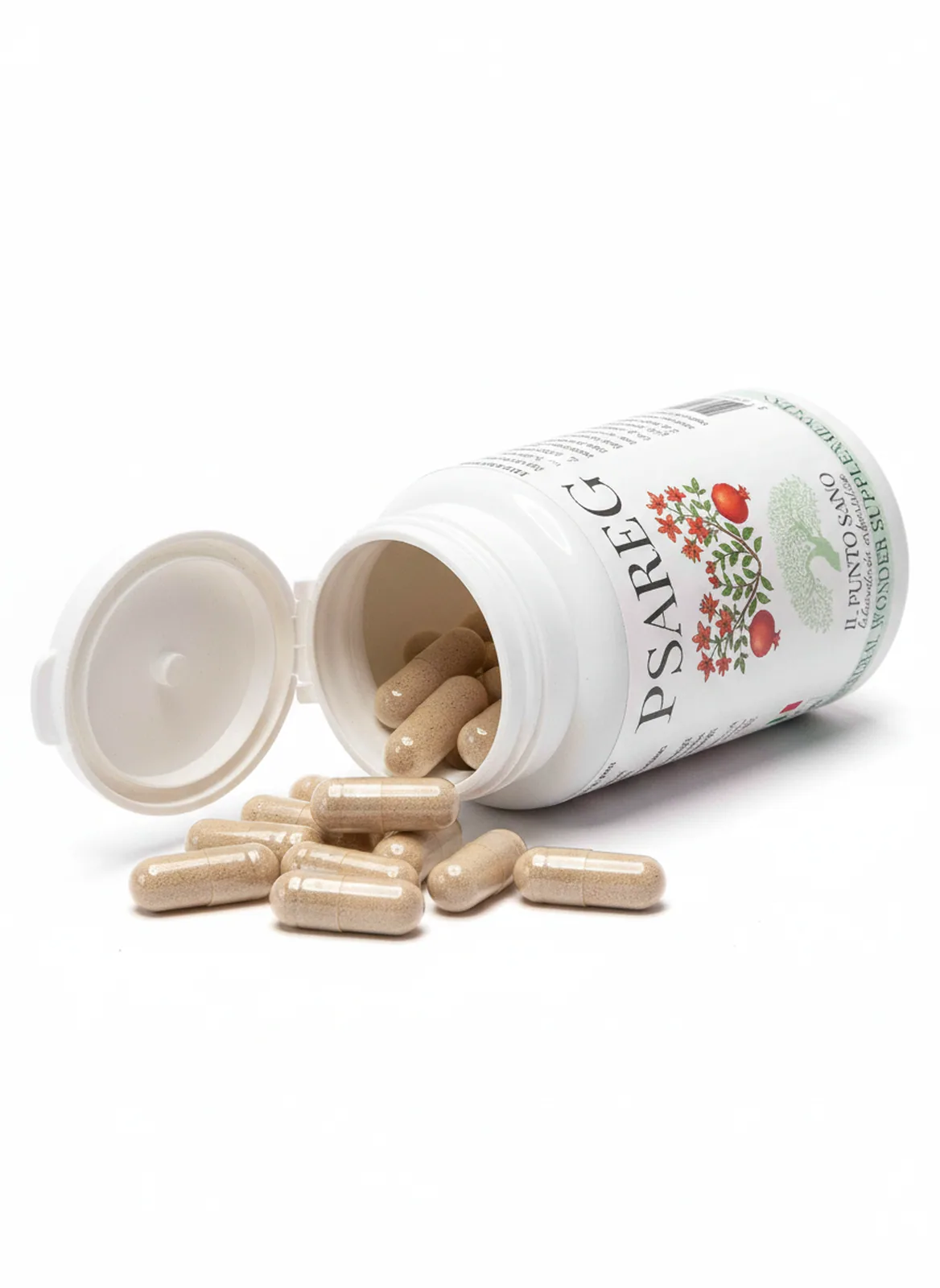
Made with an HPMC vegetable capsule.
PSAREG: a natural choice for nutritional prostate-health support
By combining pomegranate, broccoli, turmeric and green tea, PSAREG offers an innovative food supplement designed to bring together nature and scientific research in support of male and prostate wellbeing.
The product does not replace medical PSA monitoring. It may provide nutritional support within a broader approach including regular check-ups, balanced nutrition, physical activity and specialist assessment when required.
Ingredients and daily amounts
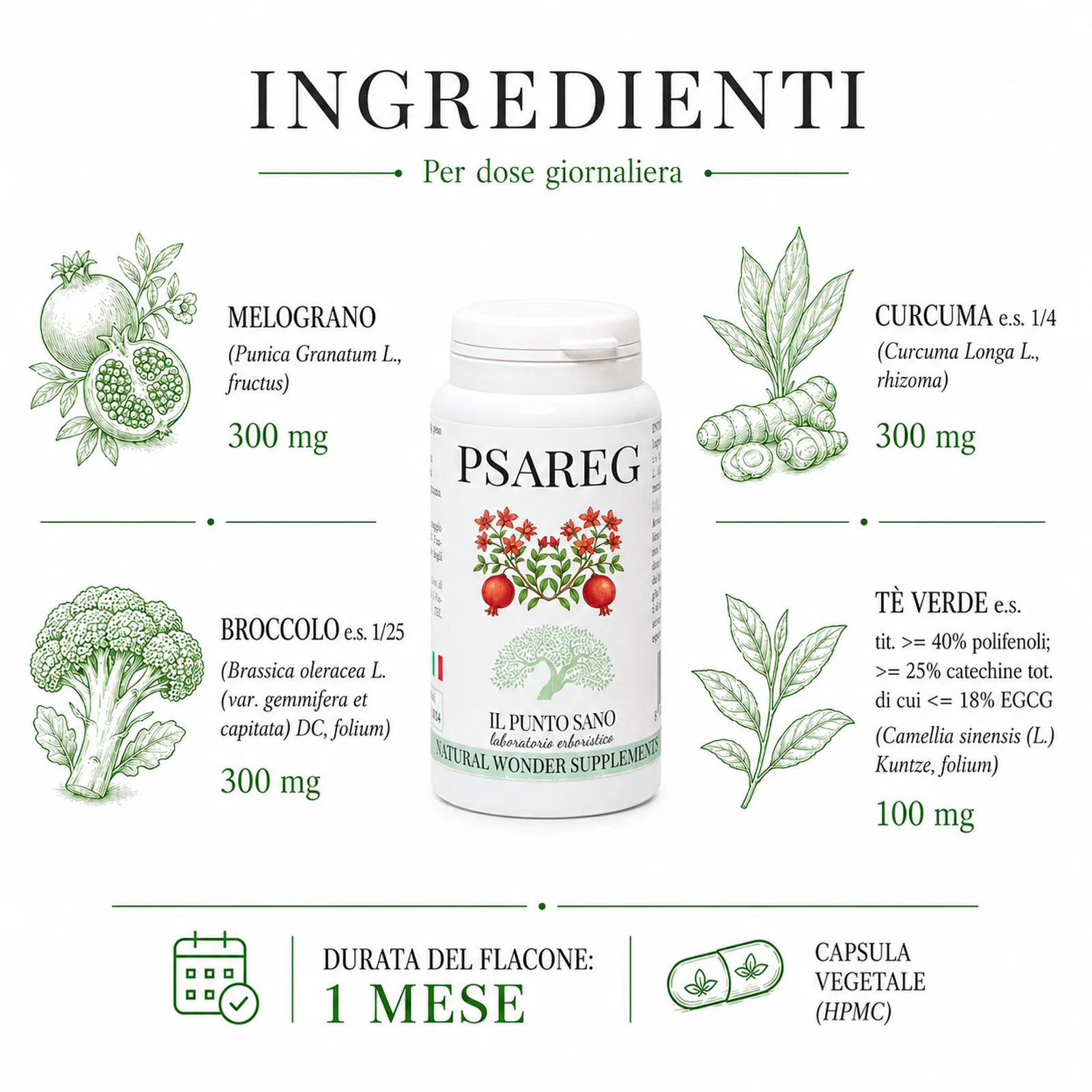
PSAREG composition with pomegranate, broccoli, turmeric and green tea
Ingredient
Daily amount
Standardisation / Part used / Notes
Pomegranate
(Punica granatum L., fructus)
300 mg
Fruit, a source of polyphenols and ellagitannins
Broccoli dry extract 1/25
(Brassica oleracea L. var. gemmifera et capitata DC., folium)
300 mg
Concentrated dry extract 1/25, a source of glucosinolates
Turmeric dry extract 1/4
(Curcuma longa L., rhizoma)
300 mg
Concentrated dry extract 1/4, a source of curcuminoids
Green tea dry extract
(Camellia sinensis (L.) Kuntze, folium)
100 mg
Standardised to ≥ 40% polyphenols; ≥ 25% total catechins, of which ≤ 18% EGCG
HPMC vegetable cellulose capsule
as required
Capsule shell
Directions for use
2 capsules a day, after breakfast.
Formula characteristics
A formula with extracts.
The information on this website is provided solely for informational and educational purposes. It does not constitute therapeutic advice or replace medical advice. The only product claims intended for consumer communication are those expressly permitted by current legislation and stated on the label. References to scientific literature, historical use, ethnobotany and the biological plausibility of ingredients are descriptive and documentary in nature. They do not constitute, and must not be interpreted as, health or therapeutic claims beyond those permitted by applicable legislation. Relevant ministerial guidelines for botanicals continue to apply where appropriate.






 English (UK)
 Italiano
Reviews
There are no reviews yet.