
Free advice from our biologist and nutritionist. Learn More

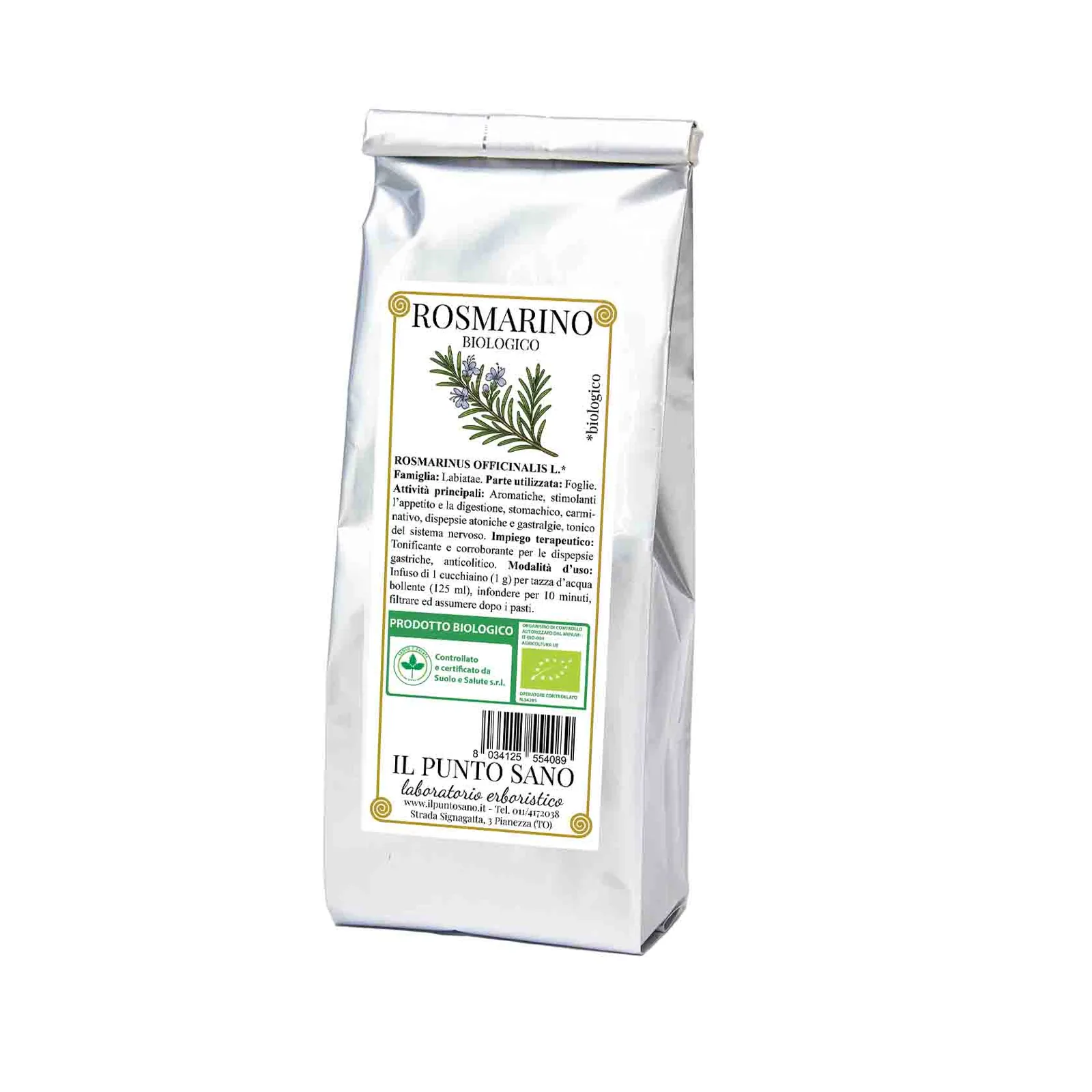



Organic Rosemary Herbal Tea
7,80 €
70 g
Rediscover rosemary’s Mediterranean aroma.
Il Punto Sano Rosemary offers rosemary leaves: an aromatic pause rooted in digestive tradition.
- ✓ Rosemary leaves.
- ✓ An aromatic pause rooted in digestive tradition.
- ✓ Full preparation directions and product information are always available below.
- Free shipping in Italy on orders of €70 or more
- Prepared within 1 working day + GLS transit of 2–4 working days
- Buy directly from our laboratory
- Free product advice from our biologist and nutritionist
Full product information: features, composition and directions for use.


Organic Rosemary: aromatic leaves for digestion, the liver, intestinal gas and antioxidants
Il Punto Sano Organic Rosemary is a certified organic medicinal herbal tea made with leaves of Rosmarinus officinalis L., a Mediterranean aromatic plant in the Lamiaceae family, historically also known as Labiatae. In modern botanical nomenclature, Rosemary is often listed as Salvia rosmarinus Spenn., while Rosmarinus officinalis remains a traditional name widely used in herbal practice, pharmacopoeias and commerce.
Rosemary leaves are traditionally used in herbal teas for digestive function, liver function, regular gastrointestinal motility,intestinal-gas elimination and antioxidant activity. Their intense Mediterranean aroma makes the plant particularly suited to after-meal teas and digestive blends with an assertive character.
Traditional herbal literature describes Rosemary as aromatic, appetite- and digestion-stimulating, stomachic, carminative and a nervous-system tonic, with historical uses for atonic dyspepsia, stomach pain and colitis. These records explain its herbal background. The tea supports normal physiological functions; it is not treatment for gastritis, colitis, stomach pain, pathological dyspepsia, liver disease or diagnosed conditions.
Why choose Il Punto Sano Organic Rosemary
- Certified organic Rosemary leaves, an aromatic medicinal plant in the Lamiaceae family.
- Supports digestive function, ideal in after-meal teas.
- Supports liver function, in a physiological rather than therapeutic context.
- Supports regular gastrointestinal motility, for digestive-comfort routines.
- Helps eliminate intestinal gas, reflecting its traditional aromatic, carminative profile.
- Antioxidant activity, associated with naturally occurring polyphenols and characteristic compounds.
- A Mediterranean, aromatic, resinous taste, suited to digestive and tonic blends.
- Selected, certified organic raw material, without artificial flavourings, colours or preservatives.
Rosmarinus officinalis: the botany of Rosemary
Rosmarinus officinalis L., now often classified as Salvia rosmarinus Spenn., is an aromatic evergreen Mediterranean shrub. It belongs to the Lamiaceae family, alongside Sage, Thyme, Oregano, Mint, Lemon balm and Lavender.
It has woody stems and narrow, leathery, linear leaves, green above and whitish-downy below. The small, bilabiate flowers are blue-violet, sometimes paler, and attractive to pollinating insects.
The part used in this preparation is the dried, cut leaves, known in herbal terminology as folium. Their intense balsamic, resinous, camphoraceous fragrance comes from naturally occurring essential oil and aromatic compounds.
At a glance
Il Punto Sano Organic Rosemary is a certified organic medicinal herbal tea made with Rosemary leaves, traditionally used for digestion, liver function, regular gastrointestinal motility, intestinal-gas elimination and antioxidant activity.
Rosemary and traditional use
Rosemary is among the most characteristic Mediterranean traditional plants. Used both as a culinary herb and medicinal plant, it features particularly in after-meal preparations, digestive blends and tonic-aromatic teas.
Its assertive taste suits those who enjoy herbaceous, balsamic teas without sweetness. Often used in small amounts, it gives blends structure and intensity.
Its digestive, liver, gastrointestinal-motility, gas-elimination and antioxidant profile offers physiological support, without treating stomach or liver disease, colic, colitis or neurological disorders.
Rosemary for digestive function
The main physiological role described for Rosemary leaves is digestive function. The tea is particularly suited to after meals when a warm, Mediterranean aromatic drink is desired.
Enjoy Rosemary alone or with digestive plants such as Lemon balm, Mint, Fennel, Anise, Artichoke, Dandelion, Ginger, Marjoram, Oregano or Lemon peel.
Persistent digestive difficulty, stomach pain, recurring nausea, vomiting, weight loss, blood in the stool or significant symptoms require medical advice.
Rosemary and liver function
Rosemary leaves are also described in relation to liver function. This is relevant in digestive and after-meal blends, particularly when an aromatic, slightly bitter, sensorially stimulating profile is desired.
Liver function should be described as physiological support, rather than treatment for fatty liver, hepatitis, gallstones, cholecystitis, liver failure or abnormal liver enzymes.
Seek medical advice before regular use with liver or biliary disease, right-sided abdominal pain, jaundice, significant nausea, hepatotoxic medicines or gallstones.
Rosemary, gastrointestinal motility and intestinal gas
Rosemary supports regular gastrointestinal motility and intestinal-gas elimination. This makes it interesting in teas for occasional bloating, post-meal heaviness and digestive comfort.
Its aromatic profile pairs well with carminative plants such as Fennel, Anise, Cumin, Coriander, Mint and Lemon balm.
Avoid promises concerning colic, severe intestinal spasms, irritable bowel syndrome, colitis or abdominal pain: these require professional assessment, particularly when persistent or recurring.
Rosemary and traditional carminative activity
The traditional term carminative describes support for intestinal-gas elimination and a lighter feeling after meals.
Rosemary suits those seeking a stronger taste than Chamomile, Fennel or Lemon balm. Sweeter or gentler plants can soften it in blends.
In sensitive people, an overly concentrated infusion may be intense or irritating. Follow the dose and assess individual tolerance.
Rosemary and stomachic activity
The term stomachic belongs to traditional herbal terminology and means a plant used to support the stomach and digestion. In everyday terms, this means digestive function, after-meal comfort and support for normal gastrointestinal functions.
This explains Rosemary’s herbal tradition through its familiar role in digestive wellbeing.
Rosemary tea is not a treatment for stomach pain, gastritis, ulcers, reflux, colitis or clinically significant dyspepsia.
Rosemary and atonic dyspepsia: traditional background
Traditional herbal literature records Rosemary use for atonic dyspepsia. This provides historical context rather than a therapeutic indication for the tea.
Rosemary is an aromatic plant traditionally used for digestive function, gastrointestinal motility and gas elimination.
Persistent dyspepsia, particularly with pain, significant burning, weight loss, vomiting or difficulty swallowing, requires medical assessment.
Rosemary and stomach pain: traditional background
Traditional herbal literature records gastralgia, meaning stomach pain. Pain can have various causes requiring diagnosis, and this historical reference is not a treatment indication for the tea.
Rosemary’s everyday role concerns after-meal digestion and gastrointestinal comfort rather than relieving stomach ache or gastralgia.
Persistent stomach pain, night-time pain, vomiting, blood, black stools, weight loss or difficulty swallowing require medical assessment.
Rosemary and the traditional colitis reference
Traditional herbal literature records an anti-colitis use. Colitis can refer to functional complaints, inflammation, infections or intestinal disease; the tea does not treat these conditions.
In digestive teas, Rosemary supports regular gastrointestinal motility and intestinal-gas elimination.
With persistent diarrhoea, significant abdominal pain, blood in the stool, fever, mucus, weight loss or diagnosed inflammatory bowel disease, do not use the tea as the only intervention; consult your doctor.
Rosemary and appetite
Appetite stimulation is part of Rosemary’s traditional aromatic and digestive profile.
Aromatic, slightly bitter plants are often enjoyed before or after meals, but they are not treatment for pathological appetite loss.
Persistent appetite loss, weight loss, nausea, pain, marked tiredness or sudden changes require medical assessment.
Rosemary and its traditional tonic character
Tradition credits Rosemary with a tonic, invigorating character. Its lively aroma is a sensory feature rather than a therapeutic effect on the nervous system.
This is an aromatic tea with a tonic Mediterranean character, suited to after meals or moments when a distinctive flavour is desired.
It is not a treatment for mental tiredness, memory problems, depression, anxiety, low blood pressure, drowsiness or neurological disorders.
Rosemary and antioxidant activity
Rosemary leaves have an interesting antioxidant profile, associated with natural polyphenols, rosmarinic acid, phenolic diterpenes and flavonoids.
Antioxidant activity can be described as support against free radicals within a varied, balanced diet.
This general physiological antioxidant support does not imply disease prevention, clinical liver protection, an ageing treatment or improved cognitive performance.
Rosemary and essential oil: an essential distinction
Rosemary leaves naturally contain essential oil, but the tea should not be confused with taking pure essential oil.
Rosemary essential oil is concentrated and rich in aromatic molecules such as 1,8-cineole, camphor, alpha-pinene, borneol and other volatiles. Its doses, indications and contraindications differ greatly from a dried-leaf infusion.
Do not swallow pure Rosemary essential oil or recommend internal use without professional supervision, particularly in pregnancy, breastfeeding or childhood, or with epilepsy, seizures, asthma, liver or kidney disease or medication.
Rosemary in digestive blends
Rosemary gives digestive blends structure, intensity and a distinctive Mediterranean note. It particularly suits after-meal teas with an aromatic, unsweet taste.
It pairs well with Fennel, Anise, Mint, Lemon balm, Marjoram, Oregano, Ginger, Coriander, Artichoke, Dandelion and Lemon peel.
Balance the dose, as Rosemary can overpower gentler plants and make the flavour too intense in larger amounts.
Rosemary in liver and cleansing blends
For liver function, Rosemary can be combined with Artichoke, Dandelion, Milk thistle, Fumitory, Turmeric, Mint, Lemon peel and Boldo where the blend profile allows.
These blends support normal liver function and digestion; they are not treatments for liver, gallbladder, bile or lipid-metabolism disease.
Seek medical advice before use with gallstones, bile-duct obstruction, right-sided abdominal pain, liver disease, significant medication or pregnancy.
Rosemary and a sensitive stomach
Rosemary is intensely aromatic. Some sensitive people may find it too stimulating or irritating, particularly in strong infusions, on an empty stomach or with significant reflux.
People with gastritis, marked reflux, ulcers, recurring nausea or frequent heartburn should use moderate amounts and assess individual tolerance.
For a gentler digestive tea, Chamomile, Lemon balm, Mallow, Marshmallow or Fennel may be preferred.
Characteristic constituents of Rosemary
Rosemary leaves contain a phytocomplex characterised by essential oil, 1,8-cineole, camphor, alpha-pinene, borneol, verbenone, limonene, bornyl acetate, rosmarinic acid, caffeic acid, carnosic acid, carnosol, flavonoids, triterpenes, tannins and phenolic compounds.
Rosmarinic acid, carnosic acid and carnosol are key constituents of the antioxidant profile. Volatiles contribute the leaves’ balsamic, resinous Mediterranean fragrance.
Raw-material quality depends on correct botanical identification, harvest at peak aromatic quality, gentle drying, natural colour, aromatic intensity, a clean cut and storage away from light, air and moisture.
The aromatic profile of Rosemary tea
Rosemary tea has an aromatic, resinous, balsamic, Mediterranean, slightly bitter, herbaceous and camphoraceous taste. It is an assertive tea, more intense than Lemon balm, Chamomile or Fennel.
Its fragrance recalls rosemary needles, resin, Mediterranean scrub, balsamic notes and gentle spicy nuances. In blends it can be sweetened with Lemon peel, Sweet orange, Liquorice, Apple or Fennel.
It particularly suits after-meal teas and digestive blends with a dry, aromatic taste.
Il Punto Sano quality: certified organic Rosemary, selected leaves and authentic aroma
Il Punto Sano medicinal plants begin with careful selection of certified organic raw materials, focusing on botanical quality, freshness, natural fragrance, herbal cut and infusion performance.
Organic Rosemary leaves are selected for correct botanical identification, aromatic intensity, natural colour and clean cut. Good material smells fresh, resinous and clean, without stale or dusty notes, mould or abnormal oxidation.
We use no artificial flavourings, colours or preservatives. The taste comes from organic Rosemary leaves: aromatic, balsamic and naturally Mediterranean. The pack protects the plant material from light, air and moisture, helping preserve aroma, freshness and quality.
Who may consider Organic Rosemary leaves
Il Punto Sano Organic Rosemary is intended for adults seeking a certified organic medicinal herbal tea for:
- digestive function;
- liver function;
- regular gastrointestinal motility;
- intestinal-gas elimination;
- antioxidant activity;
- aromatic after-meal teas;
- digestive blends with a Mediterranean character;
- combinations with Fennel, Anise, Lemon balm, Mint, Artichoke, Dandelion, Ginger, Lemon or Marjoram.
Herbal profile
Rosmarinus officinalis L. / Salvia rosmarinus Spenn. – certified organic leaves
| Traditional botanical name | Rosmarinus officinalis L. |
| Modern accepted botanical name | Salvia rosmarinus Spenn. |
| Common name | Rosemary, Rosemary leaf, Rosmarini folium |
| Family | Lamiaceae, historically also Labiatae |
| Part used | Dried, cut leaves; folium |
| Quality | Certified organic raw material |
| Characteristic constituents | Essential oil, 1,8-cineole, camphor, alpha-pinene, borneol, verbenone, limonene, rosmarinic acid, caffeic acid, carnosic acid, carnosol, flavonoids, triterpenes, tannins and phenolic compounds |
| Traditional profile | Digestive function, liver function, regular gastrointestinal motility, intestinal-gas elimination and antioxidant activity; dyspepsia, stomach pain, anti-colitis and nervous-system-tonic uses are historical references rather than therapeutic indications for this tea |
| Infusion flavour | Aromatic, resinous, balsamic, Mediterranean, slightly bitter, herbaceous and camphoraceous |
Directions for use
Infusion: prepare a herbal tea with 1 teaspoon of Rosemary leaves, approximately 1 g, for a cup containing 125 ml of boiling water. Steep for 10 minutes, preferably covered. Filter thoroughly and drink after meals, as needed and according to the label directions. Because of its intense aromatic profile, avoid overly strong infusions with a sensitive stomach.
Herbal tip
Rosemary is ideal in after-meal digestive teas. For a more carminative profile, pair it with Fennel, Anise, Mint and Lemon balm; for a liver-focused blend, with Artichoke, Dandelion and Lemon; for a Mediterranean taste, with Marjoram, Oregano and Sweet orange peel. Do not confuse the leaf infusion with pure essential oil.
Warnings: Do not exceed the recommended amounts. Keep out of reach of children. For adults. Do not use if allergic or hypersensitive to Rosemary, Lamiaceae/Labiatae, essential oils, camphor, cineole or any component. Seek medical advice before use during pregnancy, breastfeeding or childhood. Use cautiously with epilepsy, seizures, neurological disease, asthma, strong essential-oil sensitivity, significant gastritis, marked reflux, ulcers, gallstones, bile-duct obstruction, liver or kidney disease, uncontrolled high blood pressure, anticoagulant or antiplatelet treatment, medicines or particular clinical conditions. Do not swallow pure Rosemary essential oil. Do not use the tea as treatment for persistent dyspepsia, stomach pain, colitis, irritable bowel syndrome, abdominal pain, liver disease, cholecystitis, gallstones, significant nausea, pathological appetite loss, neurological disorders, chronic tiredness or diagnosed conditions. Seek medical advice for significant stomach pain, vomiting, blood in the stool, black stools, weight loss, difficulty swallowing, right-sided abdominal pain, jaundice, persistent diarrhoea, abdominal pain, allergic reactions or worsening symptoms. This website provides herbal information and does not replace medical advice.
Frequently asked questions
Which part of the plant is used?
The plant part listed in the product information is: Dried, cut leaves; folium.
How should I prepare this herbal tea?
Infusion: prepare a herbal tea with 1 teaspoon of Rosemary leaves , approximately 1 g , for a cup containing 125 ml of boiling water. Steep for 10 minutes , preferably covered. Filter thoroughly and drink after meals , as needed and according to the label directions. Because of its intense aromatic profile, avoid overly strong infusions with a sensitive stomach.


 English (UK)
 Italiano
Reviews
There are no reviews yet.