
Free advice from our biologist and nutritionist. Learn More

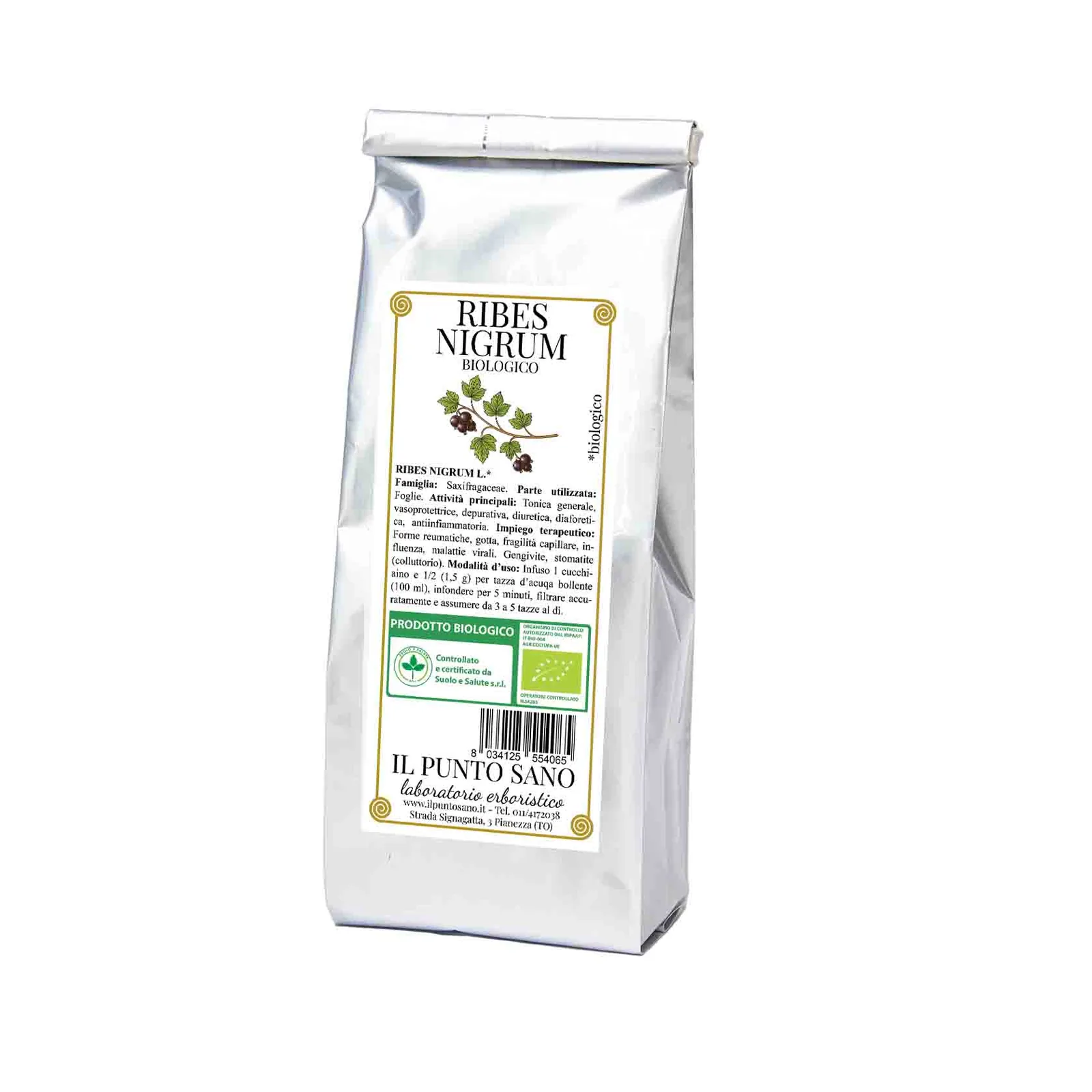



Organic Blackcurrant Leaf Herbal Tea
7,50 €
40 g
Blackcurrant leaves for your drainage routine.
Blackcurrant by Il Punto Sano provides blackcurrant leaves, traditionally used for fluid drainage.
- ✓ Blackcurrant leaves.
- ✓ A plant traditionally used for fluid drainage.
- ✓ Full preparation and directions always available.
- Free shipping in Italy on orders of €70 or more
- Prepared within 1 working day + GLS transit of 2–4 working days
- Buy directly from our laboratory
- Free product advice from our biologist and nutritionist
Full product information: features, ingredients and directions for use.


Organic Blackcurrant: drainage-support leaves for the urinary tract, joints, nose and throat
Organic Blackcurrant by Il Punto Sano is a certified organic herbal tea made with leaves of Ribes nigrum L., an aromatic shrub in the Grossulariaceae family. Older classifications may place it in Saxifragaceae, but Grossulariaceae is the most widely used modern classification.
Blackcurrant leaves are traditionally used in teas dedicated to fluid drainage, urinary function, joint function and nose and throat wellbeing. Their green, aromatic, lightly tannic profile suits cleansing, joint-support and seasonal blends.
Traditional descriptions also mention general tonic, vasoprotective, cleansing, diuretic, diaphoretic and anti-inflammatory activity, alongside rheumatic conditions, gout, capillary fragility, influenza, viral disease, gingivitis and stomatitis. These are traditional references: Blackcurrant leaves support physiological functions rather than treating rheumatism, gout, viral infections, influenza, gingivitis, stomatitis or pathological capillary fragility.
Why choose Organic Blackcurrant by Il Punto Sano
- Certified organic leaves of Ribes nigrum, a herb from the Grossulariaceae family.
- Supports fluid drainage, for cleansing and drainage routines.
- Supports urinary function, as physiological support rather than treatment.
- Contributes to joint function, in teas for mobility and joint wellbeing.
- Supports nose and throat wellbeing, particularly in seasonal blends.
- A botanical, aromatic, lightly tannic profile, suited to cleansing and joint-support blends.
- Contains flavonoids, tannins, phenolic acids, aromatic compounds and polyphenols, characteristic leaf constituents.
- Selected, certified organic raw material, without artificial flavourings, colourings or preservatives.
Ribes nigrum: the botany of Blackcurrant
Ribes nigrum L., known as Blackcurrant, Blackcurrant or Black currant, is a deciduous shrub found in temperate Europe and Asia. It has aromatic palmate leaves, small flowers in clusters and intensely scented black berries.
Its modern botanical family is Grossulariaceae. Some older herbal profiles may still list Saxifragaceae because the genus Ribes was historically placed within that taxonomic group.
This preparation uses dried, cut leaves, the folium. Leaves differ from fruits, buds and seed oil in both composition and herbal applications.
At a glance
Organic Blackcurrant by Il Punto Sano is a certified organic herbal tea made with leaves of Ribes nigrum, traditionally used for fluid drainage, urinary function, joint function and nose and throat wellbeing.
Blackcurrant and traditional use
Blackcurrant is well known in herbal practice, but descriptions often mix the properties of leaves, fruits, buds and oil. Distinguishing the plant part is important for understanding this product.
Leaves are traditionally used in drainage, joint-support and seasonal teas. Fruits are better known for microcirculation and antioxidants; buds are used in bud-derived preparations; seed oil concerns the lipid fraction.
For Blackcurrant leaves, the relevant applications are fluid drainage, urinary function, joint function and nose and throat wellbeing.
Blackcurrant leaves and fluid drainage
Blackcurrant leaves are traditionally used to promote fluid drainage. This suits cleansing teas, particularly when a green, aromatic, lightly tannic herb is desired.
Drainage refers to physiological support, not treatment for oedema, pathological fluid retention, kidney failure, heart failure or medical conditions.
Before regular use, seek medical advice with diuretics, low blood pressure, antihypertensives, lithium, kidney or heart disease, or medical instructions to manage fluid intake.
Blackcurrant and urinary function
Blackcurrant leaves support urinary function, particularly in teas intended to encourage normal urinary flushing through fluid intake and drainage herbs.
They may be combined with Nettle, Birch, Couch Grass, Horsetail, Java Tea, Goldenrod, Corn Silk or Mouse-ear Hawkweed, according to the blend’s profile.
They are not a treatment for cystitis, urinary infections, urethritis, burning urination, kidney stones, colic or blood in the urine. These symptoms require medical assessment.
Blackcurrant and joint function
One of the most relevant applications of Blackcurrant leaves is joint function. They may feature in teas for mobility, joint wellbeing and seasonal cleansing routines.
In blends, they may be combined with Ash, Nettle, Horsetail, Meadowsweet, Boswellia, Turmeric, Dandelion, Birch or Devil’s Claw, always assessing each ingredient’s warnings.
Rheumatic conditions and gout appear in historical descriptions. The product’s role is joint-function support, rather than treatment of rheumatic disease, arthritis, gout or diagnosed joint pain.
Blackcurrant, rheumatic conditions and gout
Rheumatic conditions and gout may require diagnosis, monitoring, tests, targeted nutrition and medicines. Blackcurrant leaf tea should therefore not be regarded as a natural anti-inflammatory or gout treatment.
Its role is support for joint function, fluid drainage and normal cleansing processes, particularly within a balanced routine.
Persistent joint pain, swelling, redness, warmth, fever, reduced function or a suspected gout attack require medical assessment.
Blackcurrant and nose and throat wellbeing
Blackcurrant leaves are also described for nose and throat wellbeing. They suit seasonal blends when a green, functional tea different from intensely balsamic plants is desired.
They may be combined with Elderflower, Rosehip, Plantain, Mallow, Marshmallow, Thyme, Eucalyptus, Scots Pine, Liquorice or Mint, according to the blend’s sensory and functional purpose.
They are not a treatment for influenza, viral diseases, colds, bronchitis, sinusitis, pharyngitis, fever or respiratory infections.
Blackcurrant, influenza and viral diseases
Influenza and viral diseases appear in traditional descriptions but are not appropriate product indications, as they imply antiviral or therapeutic activity.
Blackcurrant leaves are traditionally used for nose and throat wellbeing and seasonal support, without a promise concerning viruses, influenza, fever or infections.
High fever, significant respiratory symptoms, breathing difficulty, chest pain, rapid deterioration or persistent symptoms require medical assessment.
Blackcurrant and capillary fragility: distinguishing the fruit
Historical descriptions mention capillary fragility and vascular protection. These are secondary to the leaf’s main uses: the microcirculation use recognised in Italian botanical guidance concerns the fruit, rather than the leaf.
The leaf’s role focuses on drainage, the urinary tract, joints and nose and throat wellbeing.
For microcirculation or heavy-leg routines, Blackcurrant fruit, Bilberry fruit, Red Vine, Butcher’s Broom, Centella, Sweet Clover or Witch Hazel are more directly relevant.
Blackcurrant and anti-inflammatory activity
Traditional descriptions mention anti-inflammatory activity. This should not be interpreted as a pharmacological effect from the tea.
For Blackcurrant leaves, the relevant roles are joint function, fluid drainage, urinary function and nose and throat wellbeing.
This recognises the herb’s value without suggesting a product for inflammation, pain, fever or disease.
Blackcurrant and diaphoretic action: secondary traditional context
Traditional descriptions also mention diaphoretic action, meaning an association with perspiration.
This should not be the principal reason for choosing the tea, particularly in connection with influenza or viral diseases.
Its seasonal role is nose and throat wellbeing and physiological support in a warm cold-season tea, rather than treatment of fever, therapeutic sweating or infections.
Blackcurrant as a traditional mouth rinse
Traditional descriptions mention mouth-rinse use for gingivitis and stomatitis. The tea should not be regarded as treatment for gingivitis, stomatitis, mouth ulcers, oral infections or mucosal lesions.
Traditional use of a thoroughly strained infusion, left to cool to lukewarm, as a mouth rinse may be considered. Do not swallow concentrated preparations or replace oral hygiene or dental advice.
Bleeding gums, pain, ulcers, plaques, infections, persistent bad breath or oral lesions require dental or medical assessment.
Blackcurrant and general tonic use
General tonic activity appears in historical descriptions but is secondary traditional context rather than the leaf’s principal application.
Its relevant profile concerns cleansing, drainage, joints and seasonal wellbeing.
For more specifically tonic or restorative applications, Rhodiola, Eleuthero, Ginseng, Rosehip or Nettle may be more relevant, each with its own warnings.
Blackcurrant in drainage blends
In drainage blends, Blackcurrant leaves may be combined with Birch, Nettle, Horsetail, Mouse-ear Hawkweed, Couch Grass, Java Tea, Dandelion, Goldenrod and Corn Silk.
Their role is fluid drainage and urinary-function support, with a green, lightly tannic aromatic note.
Drainage blends require care with kidney or heart disease, significant oedema, low blood pressure, diuretics, lithium or antihypertensives.
Blackcurrant in joint-support blends
In joint-function blends, Blackcurrant leaves may be combined with Ash, Nettle, Horsetail, Meadowsweet, Boswellia, Turmeric, Dandelion, Willow or Devil’s Claw, according to the formula’s profile.
They suit teas for mobility, drainage and joint wellbeing, particularly during seasonal changes.
With anticoagulants, antiplatelets, anti-inflammatories or gastric, kidney or liver conditions, assess every joint-support blend with particular care.
Blackcurrant in nose and throat blends
Blackcurrant leaves may feature in nose and throat wellbeing blends, particularly when a less balsamic, more botanical seasonal tea is desired.
They combine well with Elderflower, Rosehip, Mallow, Marshmallow, Plantain, Thyme, Eucalyptus, Scots Pine, Liquorice, Mint and Sweet Orange peel.
The role remains nose and throat wellbeing, rather than treatment of influenza, colds, viruses, fever or infections.
Blackcurrant leaves: characteristic constituents
The leaves of Ribes nigrum contain a phytocomplex characterised by flavonoids, quercetin and kaempferol derivatives, tannins, phenolic acids, proanthocyanidins, triterpenes, aromatic compounds, mineral salts and polyphenols.
Flavonoids and phenolic acids contribute to the leaf’s botanical identity; tannins and aromatic compounds contribute to the infusion’s green, lightly astringent, characteristic taste.
Quality depends on correct botanical identification, harvesting at the appropriate time, gentle drying, natural colour, a clean scent, absence of mould and storage away from light, air and moisture.
Blackcurrant leaf tea: aromatic profile
Blackcurrant leaf tea has a herbaceous, green, lightly tannic, aromatic, fresh and gently fruity taste. It lacks the sweet intensity of the berries, with a more botanical herbal profile.
Its scent recalls green leaves, buds, botanical notes, a faint fruitiness and a lightly astringent base.
It combines well with Birch, Nettle, Horsetail, Dandelion, Ash, Rosehip, Elderflower, Mallow, Plantain, Liquorice, Mint, Lemon peel and Sweet Orange peel.
Il Punto Sano quality: certified organic Blackcurrant, selected leaves and a herbal cut
Il Punto Sano herbs begin with carefully selected certified organic raw materials, with attention to botanical quality, freshness, natural colour, scent, cut and infusion performance.
Organic Blackcurrant leaves are selected for correct botanical identification, a clean cut, natural colour and overall quality. Good raw material has a clean green aroma, no mould or stale notes and appropriate drying.
We use no artificial flavourings, colourings or preservatives. The taste comes from the organic leaves of Ribes nigrum: herbaceous, green, aromatic and naturally herbal. Packaging protects the material from light, air and moisture, helping preserve quality and characteristics over time.
Who are Organic Blackcurrant Leaves for?
Organic Blackcurrant by Il Punto Sano is intended for adults seeking a certified organic herbal tea for:
- fluid drainage;
- urinary function;
- joint function;
- nose and throat wellbeing;
- cleansing and drainage blends;
- seasonal joint-support blends;
- green teas with an aromatic, lightly tannic profile;
- combinations with Birch, Nettle, Horsetail, Ash, Elderflower, Rosehip, Mallow, Plantain or Liquorice.
Herbal profile
Ribes nigrum L. – certified organic leaves
| Botanical name | Ribes nigrum L. |
| Common name | Blackcurrant, Ribes nigrum, Black currant, Blackcurrant leaf |
| Family | Grossulariaceae; historically also classified in Saxifragaceae |
| Plant part used | Dried, cut leaves; folium |
| Quality | Certified organic raw material |
| Characteristic constituents | Flavonoids, quercetin and kaempferol derivatives, tannins, phenolic acids, proanthocyanidins, triterpenes, aromatic compounds, mineral salts and polyphenols |
| Traditional profile | Fluid drainage, urinary function, joint function and nose and throat wellbeing; rheumatic conditions, gout, capillary fragility, influenza, viral diseases, gingivitis and stomatitis are traditional references requiring careful interpretation |
| Infusion taste | Herbaceous, green, lightly tannic, aromatic, fresh and gently fruity |
Directions for use
Infusion: prepare a tea with 1 and a half teaspoons of Blackcurrant leaves, approximately 1,5 g, for a cup of boiling water containing 100 ml. Leave to infuse for 5 minutes, preferably covering the cup. Strain thoroughly and drink 3–5 cups a day, as needed and following label directions. Maintain adequate fluid intake when using drainage teas unless a doctor advises otherwise.
Herbal advice
Blackcurrant leaves are ideal in drainage, joint-support and seasonal teas. For drainage, combine with Birch, Nettle, Horsetail, Mouse-ear Hawkweed and Dandelion; for joints, with Ash, Nettle and Meadowsweet; for nose and throat, with Elderflower, Rosehip, Mallow, Plantain and Liquorice.
Warnings: Do not exceed recommended amounts. Keep out of reach of children. Intended for adults. Do not use with allergy or hypersensitivity to Blackcurrant, Grossulariaceae, the historically used Saxifragaceae family, berries or any constituent. Seek medical advice before use during pregnancy, breastfeeding or childhood. Use carefully with kidney or heart disease, significant oedema, low blood pressure, diuretics, lithium, antihypertensives, anticoagulants, antiplatelets, anti-inflammatories, joint disease, gout, hyperuricaemia, kidney stones, urinary infections, medicines or particular medical circumstances. Do not use to treat rheumatic conditions, gout, pathological capillary fragility, influenza, viral disease, fever, gingivitis, stomatitis, oral infections, cystitis, urinary infections, oedema, significant joint pain or diagnosed conditions. Consult a doctor for joint pain with swelling, redness, warmth or fever, burning urination, blood in the urine, lower-back pain, difficulty urinating, fever, significant respiratory symptoms, oral pain, bleeding gums, oral lesions, worsening symptoms or allergic reactions. Information on this website is provided for herbal and informational purposes and does not replace medical advice.
Frequently asked questions
Which part of the plant is used?
The plant part listed in the product information is: Dried, cut leaves; folium.
How should I prepare this herbal tea?
Infusion: prepare a tea with 1 and a half teaspoons of Blackcurrant leaves , approximately 1,5 g , for a cup of boiling water containing 100 ml . Leave to infuse for 5 minutes , preferably covering the cup. Strain thoroughly and drink 3–5 cups a day , as needed and following label directions. Maintain adequate fluid intake when using drainage teas unless a doctor advises otherwise.


 English (UK)
 Italiano
Reviews
There are no reviews yet.