
Free advice from our biologist and nutritionist. Learn More

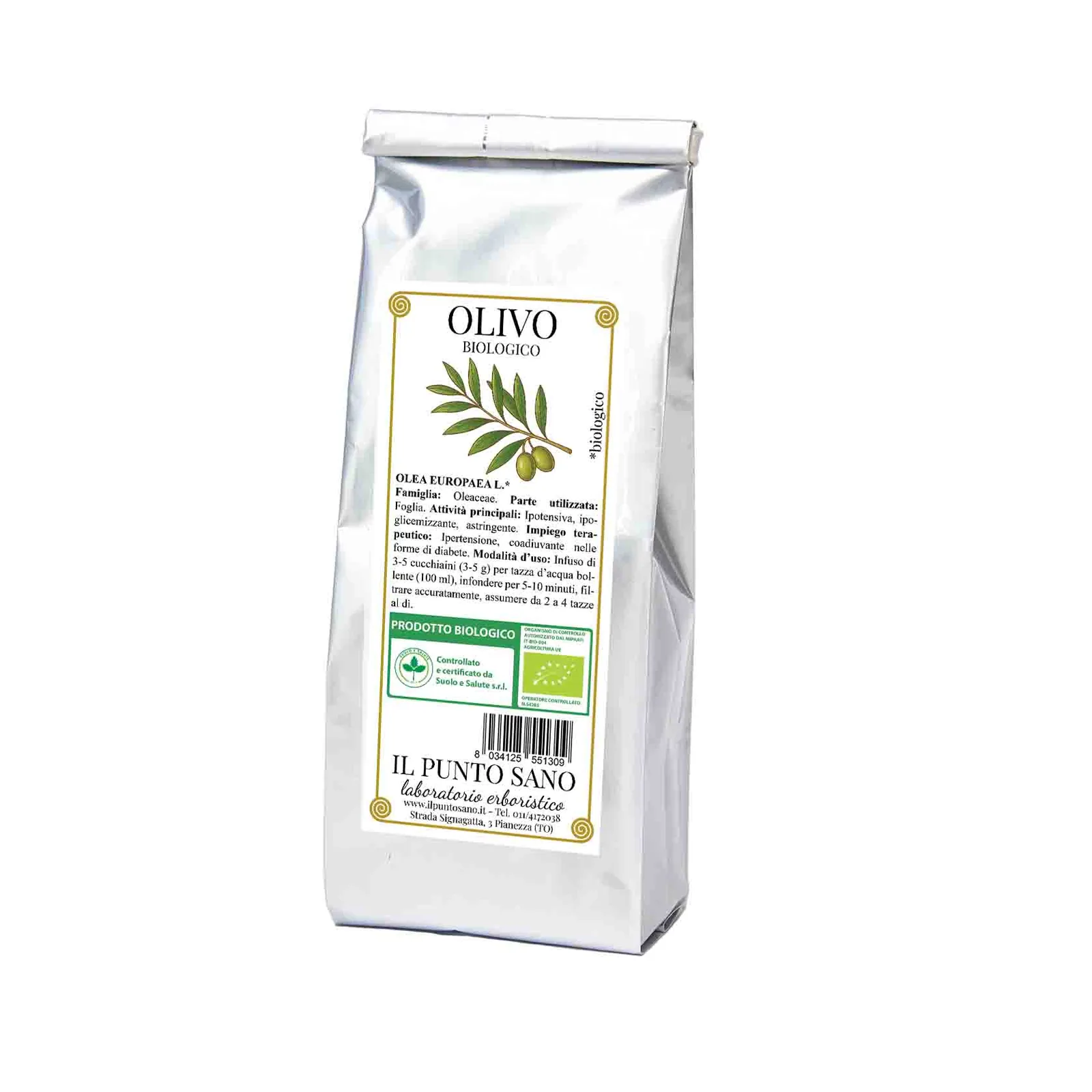



Organic Olive Leaf Herbal Tea
7,30 €
70 g
Olive leaves, a Mediterranean tradition.
Il Punto Sano Olive offers olive leaves: a botanical choice rooted in cardiovascular tradition, ready to explore in detail.
- ✓ Olive leaves.
- ✓ A botanical choice rooted in cardiovascular tradition, ready to explore in detail.
- ✓ Full preparation directions and product information are always available below.
- Free shipping in Italy on orders of €70 or more
- Prepared within 1 working day + GLS transit of 2–4 working days
- Buy directly from our laboratory
- Free product advice from our biologist and nutritionist
Full product information: features, composition and directions for use.


Organic Olive: leaves for blood-pressure balance, circulation, metabolism and antioxidant activity
Il Punto Sano Organic Olive is a certified organic medicinal herbal tea made with leaves of Olea europaea L., a tree symbolising Mediterranean tradition, in the Oleaceae.
Olive leaves are traditionally valued in herbal practice for their oleuropein, secoiridoids, flavonoids, polyphenols, triterpenes and phenolic compounds. Their profile is principally valued for normal blood-pressure balance, normal blood circulation, carbohydrate and lipid metabolism and antioxidant activity.
Why choose Il Punto Sano Organic Olive
- Certified organic leaves of Olea europaea, a medicinal plant in the Oleaceae family.
- Supports normal blood-pressure balance, in a physiological rather than therapeutic context.
- Supports normal blood circulation, for general cardiovascular-wellbeing routines.
- Contributes to carbohydrate and lipid metabolism, within a balanced lifestyle.
- Antioxidant activity, thanks to natural polyphenols and oleuropein.
- A traditional Mediterranean plant, symbolising longevity, resilience and Mediterranean food culture.
- A herbaceous, slightly bitter leaf, also ideal in blends with Hawthorn, Bilberry, Dandelion, Orthosiphon or Lemon balm.
- Selected, certified organic raw material, without artificial flavourings, colours or preservatives.
Olea europaea: the botany of Olive
Olea europaea L., known as Olive, Olive, Olive tree or European olive, is an evergreen tree in the Oleaceae family, alongside Ash, Privet, Jasmine and Forsythia.
It has an often twisted trunk and opposite, lance-shaped, leathery leaves, green above and silvery-grey below. Small whitish flowers develop into olives, the fruit from which extra virgin olive oil is obtained, central to the Mediterranean diet.
The part used in this preparation is the dried, cut leaf. Olive leaf differs from the fruit and oil, with its own phytocomplex characterised principally by oleuropein, polyphenols and phenolic compounds.
At a glance
Il Punto Sano Organic Olive is a certified organic medicinal herbal tea made with the leaves of Olea europaea, traditionally used for normal blood-pressure balance, normal blood circulation, carbohydrate and lipid metabolism and antioxidant activity.
Olive and traditional use
Olive is among the Mediterranean basin’s most representative plants. For millennia it has been linked to food, oil, agriculture, religious symbolism and folk medicine. While the fruit and oil are important foods, the leaf has its own herbal tradition.
The leaves have been used in folk preparations for blood pressure, circulation, metabolism and general wellbeing. These traditional references concern physiological support rather than treatment of disease.
Olive leaf offers a Mediterranean tea for normal blood-pressure balance, normal circulation, carbohydrate and lipid metabolism and antioxidant support.
Olive and normal blood-pressure balance
One of Olive leaf’s best-known areas of interest is normal blood-pressure balance. This is physiological support, not an indication that the tea lowers blood pressure, treats hypertension or replaces medication.
Include the tea in general cardiovascular-wellbeing routines alongside a balanced diet, salt reduction where advised, regular activity, weight management and blood-pressure monitoring.
People with hypertension, low blood pressure, dizziness, fainting or arrhythmias, or taking antihypertensive medicines, need medical advice before regular use.
Olive and normal blood circulation
Olive leaves are also described in relation to normal blood circulation. This makes them interesting in teas for general cardiovascular and circulatory wellbeing.
This general circulatory support does not imply treatment of vein or artery disease, thrombosis, cholesterol problems, atherosclerosis or cardiovascular disorders.
For a broader blend, consider Hawthorn, Bilberry, Red vine, Ginkgo, Sweet clover, Orthosiphon or Dandelion, always assessing each plant’s warnings and any medication.
Olive and carbohydrate metabolism
Olive leaf is described in relation to carbohydrate metabolism. This supports metabolic-wellbeing routines without promising effects on blood glucose.
Its role is physiological support for carbohydrate metabolism, particularly alongside balanced eating, activity and moderation of simple sugars.
The tea is not a treatment for diabetes, prediabetes, insulin resistance or hyperglycaemia. People taking insulin or glucose-lowering medicines need medical advice before use.
Olive and lipid metabolism
Olive leaf also offers support for lipid metabolism. This suits cardiovascular and metabolic-wellbeing routines, particularly within a Mediterranean lifestyle.
This is physiological lipid-metabolism support, not treatment for high cholesterol, elevated triglycerides or metabolic syndrome.
With diagnosed dyslipidaemia, lipid-lowering medicines, diabetes, hypertension or high cardiovascular risk, the tea does not replace diet, clinical checks or prescribed treatments.
Olive and antioxidant activity
Olive leaves contain polyphenols and oleuropein, characterising their antioxidant profile. Antioxidant activity offers support against free radicals within a varied, balanced diet.
This reflects the quality of the phytocomplex without implying therapeutic effects on cardiovascular disease, ageing or protection against disease.
Olive leaf fits a Mediterranean view of wellbeing: a plant-rich diet, extra virgin olive oil, physical activity and attention to blood pressure.
Olive and its traditional blood-pressure reputation
Traditional herbal literature records hypotensive activity. For this tea, the relevant physiological role is normal blood-pressure balance, as general support.
This preserves the plant’s herbal tradition without making the product an antihypertensive medicine.
Seek medical advice before regular use with high or low blood pressure, antihypertensive treatment, diuretics, beta-blockers, ACE inhibitors, angiotensin-receptor blockers, calcium-channel blockers or multiple cardiovascular medicines.
Olive and blood glucose: traditional background
Traditional herbal literature records glucose-lowering activity and adjunctive uses in diabetes. These historical references require particular care.
Olive leaves support normal carbohydrate metabolism. This tea does not lower blood glucose as a treatment for diabetes and does not replace medicines.
Diabetes requires medical supervision, personalised nutrition, blood-glucose monitoring and medication when prescribed. People taking antidiabetic medicines should avoid continuous self-directed use without professional advice.
Olive and traditional astringent activity
Traditional herbal literature also attributes an astringent profile to Olive leaf, associated with tannins and polyphenols.
This is a secondary traditional feature; the main focus remains blood-pressure balance, circulation, metabolism and antioxidant activity.
For a specifically astringent blend, Agrimony, Tormentil, Bilberry fruit, Walnut leaves or Raspberry leaves offer a more targeted profile.
Olive and the Mediterranean diet
Olive is a strong symbol of the Mediterranean diet. The leaf should not be confused with extra virgin olive oil, but shares the tree’s association with wellbeing, balance and tradition.
Olive-leaf tea is a Mediterranean botanical drink for those wishing to complement more mindful eating focused on metabolic and cardiovascular wellbeing.
The tea cannot compensate for dietary excess, inactivity, smoking, alcohol misuse, excessive salt or failure to follow prescribed medical treatment.
Olive in blood-pressure and circulation blends
Olive leaves suit blends for blood-pressure balance and normal blood circulation. Their herbaceous, slightly bitter taste combines well with gentler aromatic plants.
With Hawthorn the focus shifts towards cardiovascular wellbeing. With Bilberry, Red vine or Ginkgo it shifts towards microcirculation and antioxidants. With Lemon balm or Lavender the blend becomes more enjoyable during tense moments.
Any blend needs careful assessment when taking blood-pressure medicines, anticoagulants, antiplatelets or cardiac therapies.
Olive in metabolic blends
In metabolic blends, Olive leaf can be combined with Mulberry, Cinnamon, Gymnema, Berberis, Dandelion, Artichoke, Maté or Green tea, according to the formula’s purpose.
Support for carbohydrate and lipid metabolism does not mean diabetes treatment, guaranteed glucose reduction or cholesterol lowering.
These are physiological-support blends, particularly relevant to discuss professionally when medicines are already being taken or metabolic disease is diagnosed.
Characteristic constituents of Olive leaves
The leaves of Olea europaea contain a phytocomplex characterised by oleuropein, oleoside, hydroxytyrosol, tyrosol, verbascoside, flavonoids, luteolin, apigenin, rutin, triterpenes such as oleanolic and maslinic acids, tannins, phenolic acids and other polyphenols.
Oleuropein is among Olive leaf’s most representative constituents and contributes its slightly bitter taste. Polyphenols complete the antioxidant and botanical profile.
Raw-material quality depends on correct botanical identification, organic origin, leaf harvesting, gentle drying, natural colour, clean cut and storage away from light, air and moisture.
The aromatic profile of Olive tea
Olive-leaf tea has a herbaceous, green, slightly bitter, vegetal, mildly tannic and Mediterranean taste. It is not a sweet tea: its character is understated, dry and distinctly herbal.
Aromatic or citrus plants such as Lemon balm, Mint, Lemon peel, Sweet orange, Hawthorn, Rosehip or Cinnamon can balance the infusion and make it more enjoyable.
The slightly bitter taste is part of Olive leaf’s identity and reflects naturally occurring phenolic compounds and secoiridoids.
Il Punto Sano quality: certified organic Olive, selected leaves and authentic taste
Il Punto Sano medicinal plants begin with careful selection of certified organic raw materials, focusing on botanical quality, freshness, natural colour, fragrance, herbal cut and infusion performance.
Organic Olive leaves are selected for correct botanical identification, clean cut, natural colour and overall herbal quality. Good material has a clean botanical aroma, no mould or stale notes and appropriate drying.
We use no artificial flavourings, colours or preservatives. The taste is that of the organic leaves of Olea europaea: herbaceous, slightly bitter and naturally Mediterranean. The pack protects the plant material from light, air and moisture, helping preserve its quality and characteristics.
Who may consider Organic Olive leaves
Il Punto Sano Organic Olive is intended for adults seeking a certified organic medicinal herbal tea for:
- normal blood-pressure balance;
- normal blood circulation;
- carbohydrate metabolism;
- lipid metabolism;
- antioxidant activity;
- Mediterranean routines for metabolic and cardiovascular wellbeing;
- blends with Hawthorn, Bilberry, Red vine, Dandelion, Orthosiphon, Lemon balm or Lemon peel;
- a certified organic plant with an authentic herbaceous, slightly bitter taste.
Herbal profile
Olea europaea L. – certified organic leaves
| Botanical name | Olea europaea L. |
| Common name | Olive, Olive leaf, European olive |
| Family | Oleaceae |
| Part used | Dried, cut leaves; folium |
| Quality | Certified organic raw material |
| Characteristic constituents | Oleuropein, oleoside, hydroxytyrosol, tyrosol, verbascoside, flavonoids, luteolin, apigenin, rutin, oleanolic acid, maslinic acid, tannins, phenolic acids and polyphenols |
| Traditional profile | Normal blood-pressure balance, normal blood circulation, carbohydrate and lipid metabolism and antioxidant activity; hypotensive and glucose-lowering uses are historical references rather than therapeutic indications for this tea |
| Infusion flavour | Herbaceous, green, slightly bitter, vegetal, mildly tannic and Mediterranean |
Directions for use
Infusion: prepare a herbal tea with 3–5 teaspoons of Olive leaves, approximately 3–5 g, for a cup containing 100 ml of boiling water. Steep for 5–10 minutes, preferably covered. Filter thoroughly and drink 2–4 cups a day, as needed and according to the label directions. Seek medical advice before regular use with medicines, low blood pressure, diabetes or cardiovascular disease.
Herbal tip
Olive leaves are ideal in teas for blood-pressure balance, circulation and metabolism, particularly with Hawthorn, Bilberry, Red vine, Dandelion, Orthosiphon, Lemon balm and Lemon peel. Aromatic or citrus plants balance their slightly bitter taste.
Warnings: Do not exceed the recommended amounts. Keep out of reach of children. For adults. Do not use if allergic or hypersensitive to Olive, Oleaceae, olive pollen or any component. Seek medical advice before use during pregnancy, breastfeeding or childhood. Use cautiously with low blood pressure, treated hypertension, diabetes, hypoglycaemia, insulin, metformin or other glucose-lowering medicines, antihypertensives, diuretics, cardiovascular medicines, anticoagulants, antiplatelets, kidney, liver or heart disease, medication or particular clinical conditions. Do not use the tea as treatment for hypertension, diabetes, hyperglycaemia, high cholesterol, elevated triglycerides, venous insufficiency, cardiovascular disease or diagnosed conditions. Stop use and seek medical advice for dizziness, weakness, fainting, palpitations, excessively low blood pressure, hypoglycaemia, cold sweats, tremor, chest pain, breathing difficulty, significant swelling, worsening symptoms or abnormal blood-pressure/glucose values. This website provides herbal information and does not replace medical advice.
Frequently asked questions
Which part of the plant is used?
The plant part listed in the product information is: Dried, cut leaves; folium.
How should I prepare this herbal tea?
Infusion: prepare a herbal tea with 3–5 teaspoons of Olive leaves , approximately 3–5 g , for a cup containing 100 ml of boiling water. Steep for 5–10 minutes , preferably covered. Filter thoroughly and drink 2–4 cups a day , as needed and according to the label directions. Seek medical advice before regular use with medicines, low blood pressure, diabetes or cardiovascular disease.



 English (UK)
 Italiano
Reviews
There are no reviews yet.