
Free advice from our biologist and nutritionist. Learn More


Ferula Assa
14,50 €
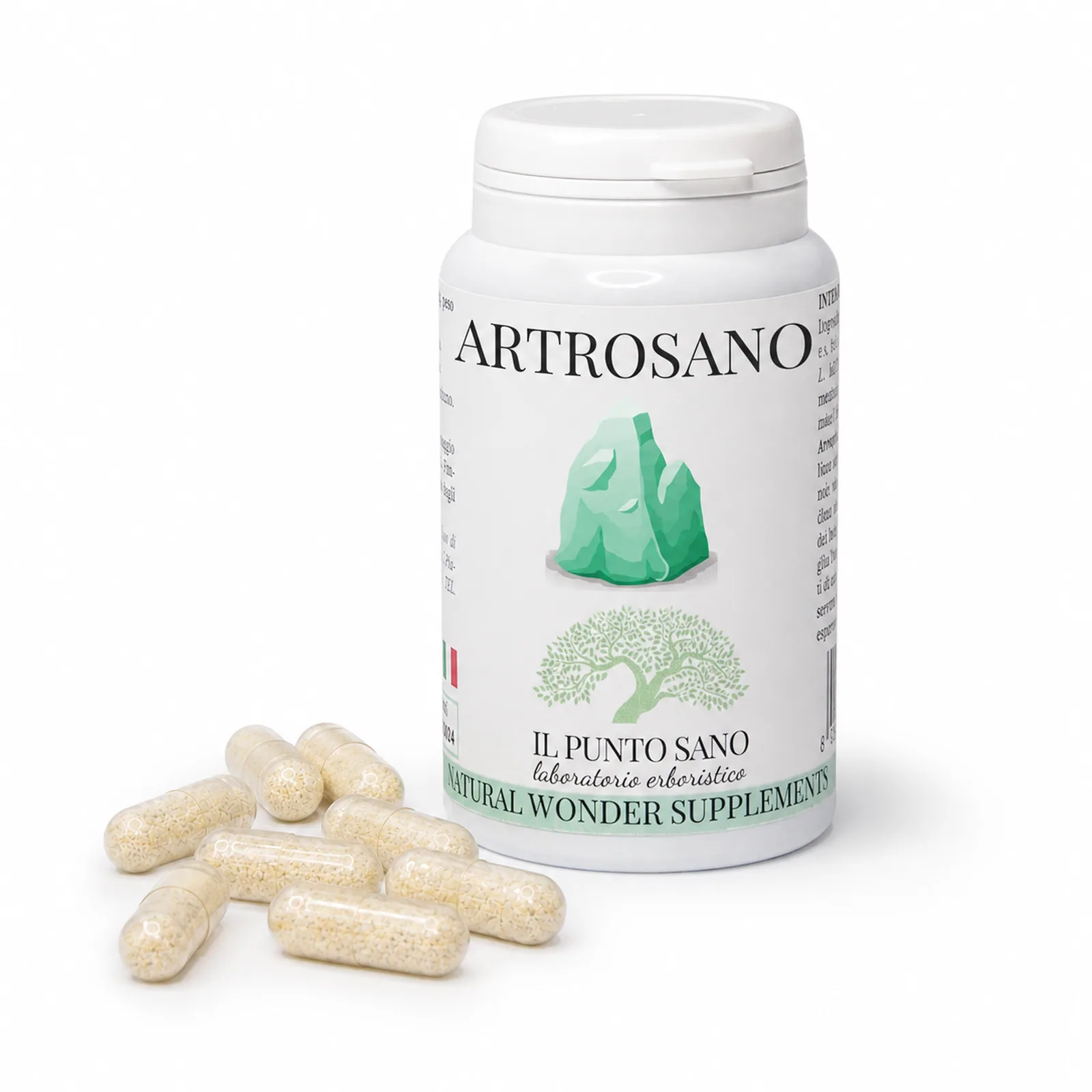
50 Capsules
A plant with a distinctive character, worth getting to know.
Ferula Assa showcases asafoetida, an aromatic plant from herbal and culinary tradition. A choice for those who want to explore its profile and make an informed addition to their routine.
- ✓ Made with Ferula assa.
- ✓ A tradition associated with digestive wellbeing.
- ✓ Ingredients and directions in the full product information.
Out of stock
- Free shipping in Italy on orders of €70 or more
- Prepared within 1 working day + GLS transit of 2–4 working days
- Buy directly from our laboratory
- Free product advice from our biologist and nutritionist
Full product information: features, ingredients and directions for use.


For capsules and softgels, this refers to the contents, excluding the shell.
ASAFOETIDA: TRADITIONAL SINUS USE AND TOLERABILITY
Asafoetida has traditionally been attributed antispasmodic and carminative properties, particularly for colic caused by trapped wind and flatulence with constipation. Its constituents, excreted through the kidneys and bronchial mucosa, have been described as having diuretic activity and modifying bronchial secretions. As ferulic acid derivatives act on the central nervous system with a sedative effect through central nervous system depression, asafoetida has been widely used in traditional medicine as an antispasmodic in bronchial asthma and for coughs, including spasmodic coughs. Traditional literature also describes marked anthelmintic activity against roundworms and pinworms.
For another product dedicated to loosening mucus, explore our balsamic syrup: Respira Balsamic Syrup.
ASAFOETIDA IN CULINARY TRADITION AND TRADITIONAL MEDICINE
Asafoetida is a good example of a plant whose culinary and medicinal uses overlap. In southern India in particular, it is regularly used when preparing pulses such as beans, peas and lentils. Because pulses are rich in indigestible oligosaccharides, spices with an anti-flatulent action are often added. Asafoetida’s smell is stronger and more persistent than onion; its taste is bitter and sour. The smell of its resin and gum comes from its volatile oil.
Despite its pungent odour, it is widely used as a seasoning in India and Persia, and has also traditionally been valued for a stimulating effect on the brain. It is a local stimulant of mucous membranes, especially in the digestive tract and airways, and is therefore valued in traditional medicine as a carminative for flatulent colic, particularly alongside laxative preparations. Evidence that the essential oil is excreted through the lungs underpins its traditional use for asthmatic bronchitis, whooping cough and related conditions.
ASAFOETIDA: HISTORY AND BOTANICAL BACKGROUND
This umbelliferous plant grows to 3–4 metres in height, with a large fleshy root covered in fibres and yellow flowers. It was successfully cultivated for a time in Edinburgh’s botanical gardens. Several Ferula species produce asafoetida. Most of the herbal material comes from the recognised medicinal species, native to Afghanistan, which grows at 600–1200 metres above sea level. These high plains are dry in winter but are often covered in luxuriant growth in summer. Local people eat the large cabbage-like growth and the folded young heads. Plants are harvested in June when approximately four years old.
The roots of plants that have not flowered are exposed and cut back, then protected from sunlight for five or six weeks while the gum oleoresin exudes and hardens. Alongside Kampfer’s early account of asafoetida collection (1712), Bellew provided later descriptions (1857 and 1872), having observed collection near Kandahar. Soil is removed around the plant to a depth of approximately 20 cm, and deep incisions are made in the upper root. This is repeated every three or four days until no more sap flows, a period of approximately 15 days. Some roots yield up to 1500 g of material.
Ingredients and daily amounts:Asafoetida (Ferula Assa Foetida L. gummi) 2484 mg; vegetable cellulose capsules (HPMC).
Directions for use: 1 capsule before each of the 3 main meals.
0% EXCIPIENTS, 100% PRODUCT
This supplement is made without excipients, so the capsule contents consist of 100% raw ingredient.
Frequently asked questions
What pack size is available?
The pack contains 50 capsules.
How should I use the product?
Take 1 capsule before each of the 3 main meals.




 English (UK)
 Italiano
Reviews
There are no reviews yet.