
Free advice from our biologist and nutritionist. Learn More

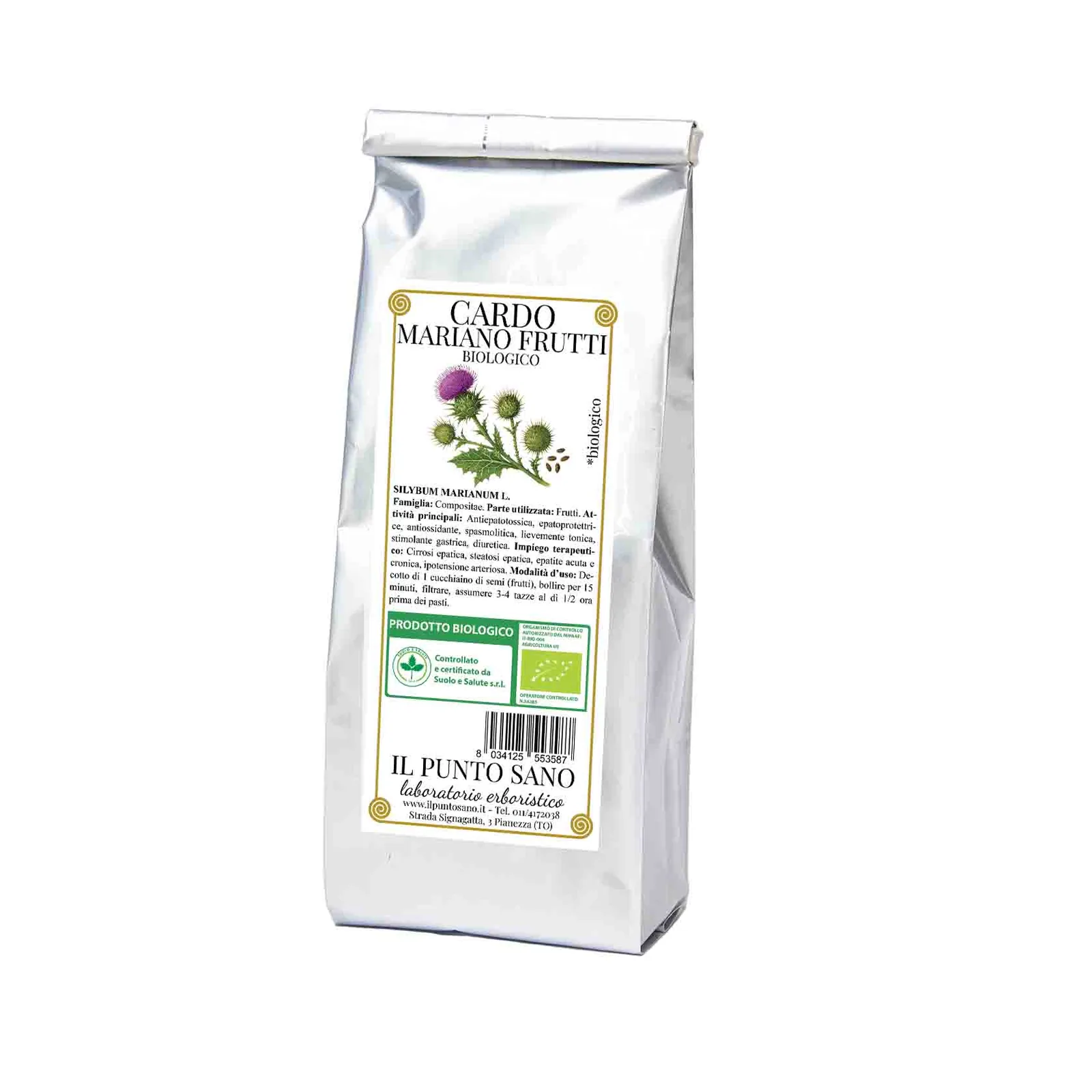


Organic Milk Thistle Fruit Herbal Tea
11,40 €
100 g
Milk thistle fruits for your botanical routine.
Milk Thistle Fruit by Il Punto Sano provides a classic ingredient from liver and digestive herbal tradition.
- ✓ Milk thistle fruits.
- ✓ A classic ingredient from liver and digestive herbal tradition.
- ✓ Full preparation and directions always available.
- Free shipping in Italy on orders of €70 or more
- Prepared within 1 working day + GLS transit of 2–4 working days
- Buy directly from our laboratory
- Free product advice from our biologist and nutritionist
Full product information: features, ingredients and directions for use.


Milk Thistle fruits: tea for the liver, natural cleansing, digestion and antioxidants
Milk Thistle Fruit by Il Punto Sano is a herbal tea based on the fruits of Silybum marianum L., a plant belonging to the Asteraceae, historically also called Compositae. It is among herbal tradition’s best-known plants for liver-function support, normal cleansing processes, digestion and antioxidant activity.
Milk Thistle fruits, often incorrectly called seeds, are the plant’s best-known and most valued part. They contain the characteristic phytocomplex silymarin, consisting of flavonolignans such as silybin, silychristin and silydianin, traditionally valued for their relationship with the liver, bile, digestion and antioxidant protection.
Milk thistle fruit tea is suited to routines for liver wellbeing, cleansing, slow digestion, a feeling of fullness and lipid metabolism. It is a traditional herbal preparation with a botanical, gently bitter taste, for those seeking an authentic, targeted herb to support normal liver function.
Why choose Milk Thistle Fruit by Il Punto Sano
- Selected fruits of Silybum marianum, the part most widely used in liver supplements and herbal preparations.
- Supports liver function and normal liver wellbeing.
- Supports the body’s natural cleansing functions, particularly in seasonal routines.
- Contributes to lipid metabolism, within balanced eating and a healthy lifestyle.
- Antioxidant action, helping counter oxidative stress.
- Supports digestion, particularly with fullness and heaviness after meals.
- Traditional liver-digestive profile, more specific than the same plant’s leaves.
- No artificial flavourings: authentic, natural taste without sweeteners.
Silybum marianum: the botany of Milk Thistle
Silybum marianum L., now often also called Silybum marianum (L.) Gaertn., is a herb in the Asteraceae family, historically called Compositae. Typical of the Mediterranean, it grows in sunny places, uncultivated ground, field margins and dry areas.
It has large green leaves with white veins, spiny margins and purple flower heads. The name “marianum” comes from folk tradition linking the white leaf veins with the Virgin Mary’s milk.
The part used in this preparation consists of fruits, commonly called seeds. Botanically they are achenes: small dry fruits containing the characteristic phytocomplex, particularly silymarin.
At a glance
Milk Thistle Fruit by Il Punto Sano is a herbal tea made with fruits of Silybum marianum, traditionally used for liver function, cleansing, digestion, fullness, lipid metabolism, bile and antioxidant protection.
Milk Thistle fruits in Mediterranean tradition
Milk Thistle is a signature Mediterranean herb, associated for centuries with liver wellbeing, fat digestion and cleansing routines, particularly after rich eating, dietary excess or digestive strain.
The fruits are the plant part most specifically associated with milk thistle’s characteristic uses. Compared with the leaves, they have a more concentrated profile and are the traditional source of silymarin, the flavonolignan complex that has made milk thistle one of the most widely studied herbs in liver research.
This tradition concerns liver function, cleansing, antioxidants and digestion, rather than treatment of diagnosed liver disease.
Milk Thistle for liver function and cleansing
Milk Thistle fruits’ principal application is liver-function support. The liver is central to metabolism, fat digestion, nutrient handling and the body’s normal cleansing processes.
Milk Thistle tea may complement routines for digestive and liver heaviness, rich eating, seasonal changes, slow digestion and natural support.
Distinguish physiological support from clinical conditions: hepatitis, cirrhosis, diagnosed fatty liver, altered liver enzymes or liver failure always require medical care.
Silymarin: the fruit’s characteristic phytocomplex
The fruits of Silybum marianum are known for silymarin, a flavonolignan complex mainly comprising silybin, silychristin, silydianin and isosilybin.
Silymarin is traditionally associated with Milk Thistle’s hepatoprotective and antioxidant profile. Water extraction in tea differs from standardised dry extracts, so this product concerns traditional fruit use and physiological support, without equating the infusion with standardised supplements.
Fruits are the plant’s defining part, but this tea remains a traditional preparation rather than a concentrated standardised extract.
Milk Thistle and antioxidant activity
Milk Thistle is also valued for its antioxidant activity. Naturally occurring flavonolignans and polyphenols contribute antioxidant qualities, relevant to general wellbeing and liver-support routines.
Antioxidant support is particularly relevant during greater metabolic demands on the liver, for example with abundant eating, stress, tiredness or irregular routines.
For broader antioxidant support, combine with Green Tea, Turmeric, Rosemary, Bilberry, Rosehip or Schisandra, considering individual circumstances.
Milk Thistle for digestion, fullness and stomach wellbeing
Milk Thistle fruits are also traditionally used for functional digestive discomfort such as indigestion, fullness, bloating and heaviness after meals.
Their gently tonic, gastric-stimulating profile is relevant when digestion is slow or a meal is difficult to process, particularly if large or fatty.
For a broader digestive blend, combine with Artichoke, Dandelion, Boldo, Fumitory, Mint, Fennel, Lemon Balm, Angelica or Bitter Orange.
Milk Thistle, bile and lipid metabolism
Milk Thistle often features in routines for bile, fat digestion and lipid metabolism. Its traditional liver-digestive use suits pre-meal teas for normal liver and digestive support.
Lipid-metabolism support expresses its association with cholesterol and fats without promising treatment of high cholesterol or fatty liver.
With abnormal cholesterol, triglycerides or liver enzymes, the tea may complement healthy habits but does not replace diet, medical supervision or prescribed treatment.
Milk Thistle and fluid drainage
Tradition also describes a mild diuretic profile, understood as fluid-drainage and normal elimination support.
This suits seasonal cleansing blends that combine herbs with complementary functions for the liver, bowel, kidneys and bile.
For a cleansing drainage blend, combine with Dandelion, Birch, Nettle, Mouse-ear Hawkweed, Horsetail, Fumitory or Burdock.
Milk Thistle and modern liver-wellbeing routines
Irregular eating, large meals, sugars, alcohol, medicines, stress, inactivity and insufficient rest can increase demands on the liver. Milk Thistle fruits traditionally complement balancing routines for cleansing and liver function.
They may be relevant during seasonal changes or after dietary excess, alongside simpler meals, adequate hydration and less alcohol and heavy food.
The tea supports physiological wellbeing; liver disease always needs medical assessment and care.
Milk Thistle, low blood pressure and general vitality
Traditional descriptions sometimes mention low blood pressure or a mildly tonic role. This product’s relevant focus is general tonic and digestive support rather than a low-blood-pressure remedy.
More comfortable digestion, thoughtful meals and cleansing routines may contribute to lightness and vitality, but do not replace assessment of recurrent low blood pressure, fainting or significant weakness.
With persistent hypotension, dizziness, lightheadedness or antihypertensives, seek medical advice before regular use.
Characteristic constituents of Milk Thistle fruits
The fruits of Silybum marianum contain silymarin, comprising flavonolignans such as silybin, silychristin, silydianin and isosilybin, alongside flavonoids, polyphenols, fatty acids, phytosterols, proteins, mucilage and bitter substances.
Silybin is a defining silymarin constituent. Polyphenols and flavonolignans contribute antioxidant qualities, while bitter substances underpin digestive tradition.
Fruits are therefore particularly relevant to liver function, antioxidants and cleansing. As a decoction, this remains a traditional herbal preparation rather than a standardised extract.
Milk Thistle Fruit decoction: aromatic profile
Milk Thistle Fruit decoction has a botanical, lightly bitter, dry, herbaceous and gently oily taste. More functional than fragrant, for those seeking a targeted liver, digestion and cleansing herb.
Fruits need more vigorous preparation than flowers or leaves; decoction with boiling is recommended to improve extraction.
Improve flavour with Mint, Fennel, Lemon Balm, Liquorice, Dandelion, Artichoke, Boldo, Rosemary, Lemon peel or Bitter Orange.
Il Punto Sano quality: selected fruits, a herbal cut and authentic preparation
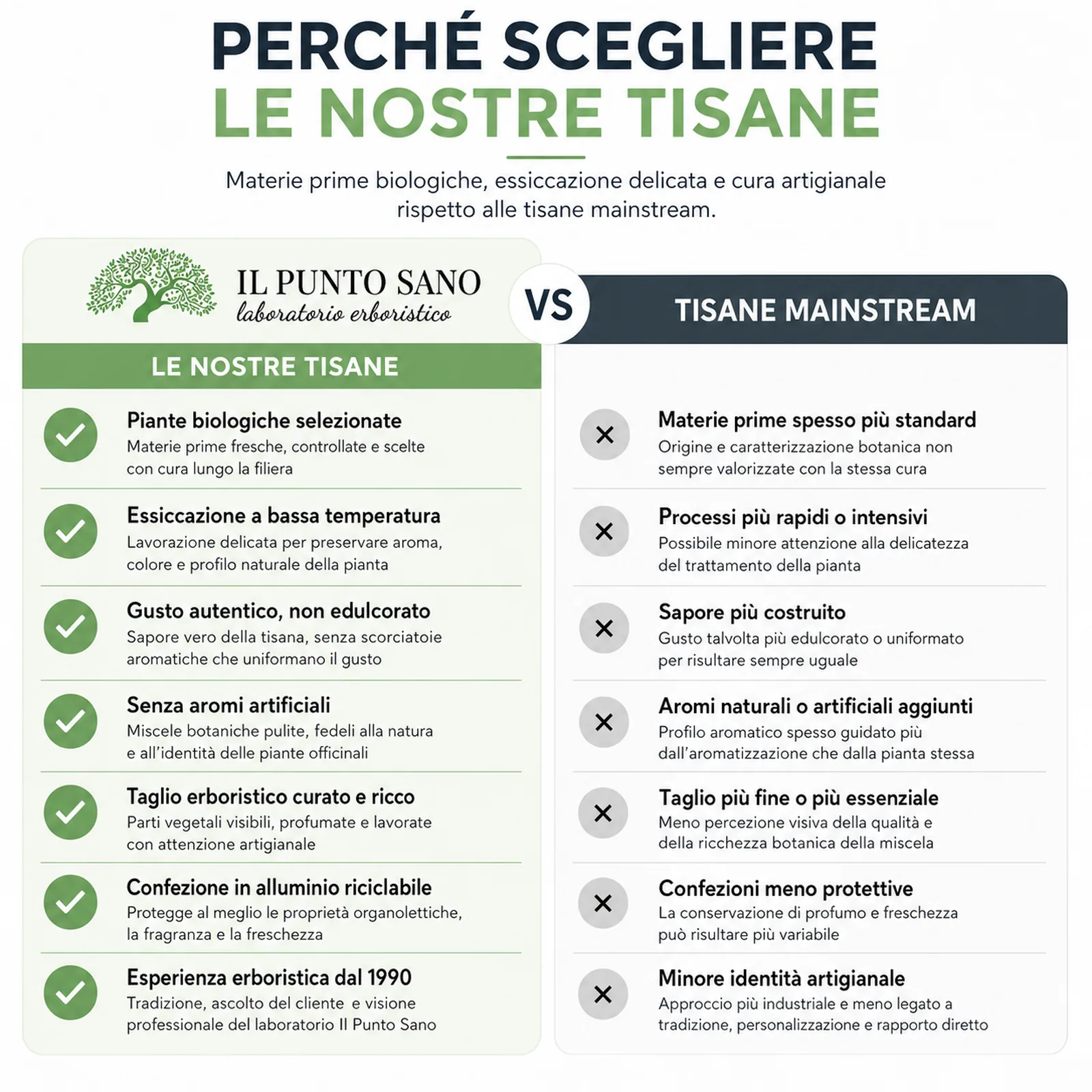
Il Punto Sano teas begin with carefully selected herbal materials, with attention to freshness, botanical quality, a clean cut and preparation performance.
Milk Thistle fruits are selected for correct identification, integrity and quality. Good material has a clean, natural, consistent appearance without dull or dusty smells.
We use no artificial flavourings, colourings or masking sweeteners. The taste comes from the fruits of Silybum marianum: botanical, lightly bitter and authentic. Packaging protects it from light, air and moisture to preserve freshness, quality and stability over time.
Who are Milk Thistle Fruits for?
Milk Thistle Fruit by Il Punto Sano is intended for adults seeking a natural tea for:
- liver-function support;
- seasonal cleansing approaches;
- slow digestion, fullness and heaviness after meals;
- bile and fat-digestion support;
- lipid metabolism and metabolic wellbeing;
- oxidative stress and natural antioxidant support;
- fluid drainage;
- a specific liver, digestive and cleansing herb.
Herbal profile
Silybum marianum L. – fruits
| Botanical name | Silybum marianum L.; also often named Silybum marianum (L.) Gaertn. |
| Common name | Milk Thistle |
| Family | Asteraceae, historically Compositae |
| Plant part used | Fruits, often incorrectly called seeds |
| Characteristic constituents | Silymarin, silybin, silychristin, silydianin, isosilybin, flavonoids, polyphenols, fatty acids, phytosterols, mucilage and bitter substances |
| Traditional profile | Liver-function support, traditionally hepatoprotective, antioxidant, digestive, cleansing, mildly tonic, gastric-stimulating and traditionally diuretic |
| Decoction taste | Botanical, lightly bitter, dry, herbaceous and gently oily |
Directions for use
Prepare a decoction with 1 teaspoon of Milk Thistle fruits per cup of water. Bring to the boil and simmer for 15 minutes. Strain thoroughly and drink 3–4 cups a day, preferably half an hour before meals, as needed and according to the label directions.
Herbal advice
Milk Thistle fruits suit liver, digestion and cleansing teas. For a broad liver-digestive blend, combine with Artichoke, Dandelion, Fumitory, Boldo, Mint or Rosemary. Improve flavour with Fennel, Lemon Balm, Liquorice or Lemon peel.
Warnings: Do not exceed recommended amounts. Keep out of reach of children. Intended for adults. Do not use with allergy or hypersensitivity to Milk Thistle, Asteraceae/Compositae or any constituent. Seek medical advice before use during pregnancy, breastfeeding or childhood, or with liver disease, hepatitis, cirrhosis, diagnosed fatty liver, liver failure, altered liver enzymes, gallstones, bile-duct obstruction, cholecystitis, gallbladder or kidney disease, significant fluid retention, oedema, significant low blood pressure, diuretics, liver or bile medicines, glucose- or lipid-lowering medicines, anticoagulants, antiplatelets, hormone treatments or particular medical circumstances. Do not use to treat cirrhosis, fatty liver, acute or chronic hepatitis, liver failure, hypotension or other diagnosed diseases. Consult a doctor if digestive complaints persist beyond two weeks. Information on this website is provided for herbal and informational purposes and does not replace medical advice.
Frequently asked questions
Which part of the plant is used?
The plant part listed in the product information is: Fruits, often incorrectly called seeds.
How should I prepare this herbal tea?
Prepare a decoction with 1 teaspoon of Milk Thistle fruits per cup of water. Bring to the boil and simmer for 15 minutes . Strain thoroughly and drink 3–4 cups a day , preferably half an hour before meals , as needed and according to the label directions.


 English (UK)
 Italiano
Reviews
There are no reviews yet.